Animating a photo of your dog or cat
Most of the catalogue assumes a human body. Three presets do not, and they were built and tested on a dog specifically. What that means if the animal in your photo is a cat, a rabbit, or anything else.
Type “animate my dog” into most search results and the answers are vague in a way that suggests nobody selling the tool has actually tried it on an animal. The honest answer is shorter than the marketing around it: yes, but not with most of what is in the catalogue, and the three actions that do work were built and tested on a dog specifically, not on pets in general.
Why most of the library was never going to work
The sixty one presets in AI Video were mostly written to move a human body through something specific: a breakdance step, a golf swing, a hand raised in a wave. That choreography assumes shoulders, hips, a hand with fingers, and a spine that bends the way a person’s does. A four legged animal has none of that in the same place, so pointing a dance or sports action at a photo of a dog does not fail gracefully. It asks the model to build human joints onto an animal’s body, and the result usually looks like exactly that.
This is not a limitation anyone hid. It is what happens when a preset is built around one kind of subject and then handed a photo of a different one, the same mismatch that shows up if you point a landmark selfie action at a photo with no face in it at all.
The three that were actually built for this
Three presets exist for exactly this case, grouped under their own category in the app rather than bolted onto the human ones. Tail Wag Hello is the calmest of the three: ears lift, the tail starts going, and the dog steps once closer to the lens. Zoomies is the opposite end of the same idea, a burst of speed across a lawn and a skidding stop. Dance Floor Dog is built for a full body shot and asks for the most, a spin and a bouncing two step landing on all four paws.
All three say so directly in how they were written: alone in frame, no people present, keep the fur pattern and markings as they are in the source photo. They were built around a dog’s body and a dog’s proportions, not an animal in general, which matters for the next section.
What if the animal is not a dog
This is the part most people asking the question do not expect, and it is worth saying plainly rather than glossing over: the three pet actions were written and tested on a dog. A cat, a rabbit, a horse or a bird was not the subject they were built around, and running one of them on a photo of a cat is a genuine unknown rather than a documented case. It might hold up fine, since the model is working from the photo in front of it either way, but there is no basis for promising that the way there is for a dog.
The safer route for anything that is not a dog is the run of style presets that never reference a species in the first place. Studio Portrait is a still image rather than a moving clip, a proper studio lighting setup dropped behind whatever is in the photo, described in its own notes as working “fur and all.” Style transforms built the same way, a plush toy version, a watercolour wash, a chibi figurine, work on an animal for the same reason they work on a person: they are restyling the whole frame rather than choreographing a body part that a cat does not have.
What the photo needs to give the model a chance
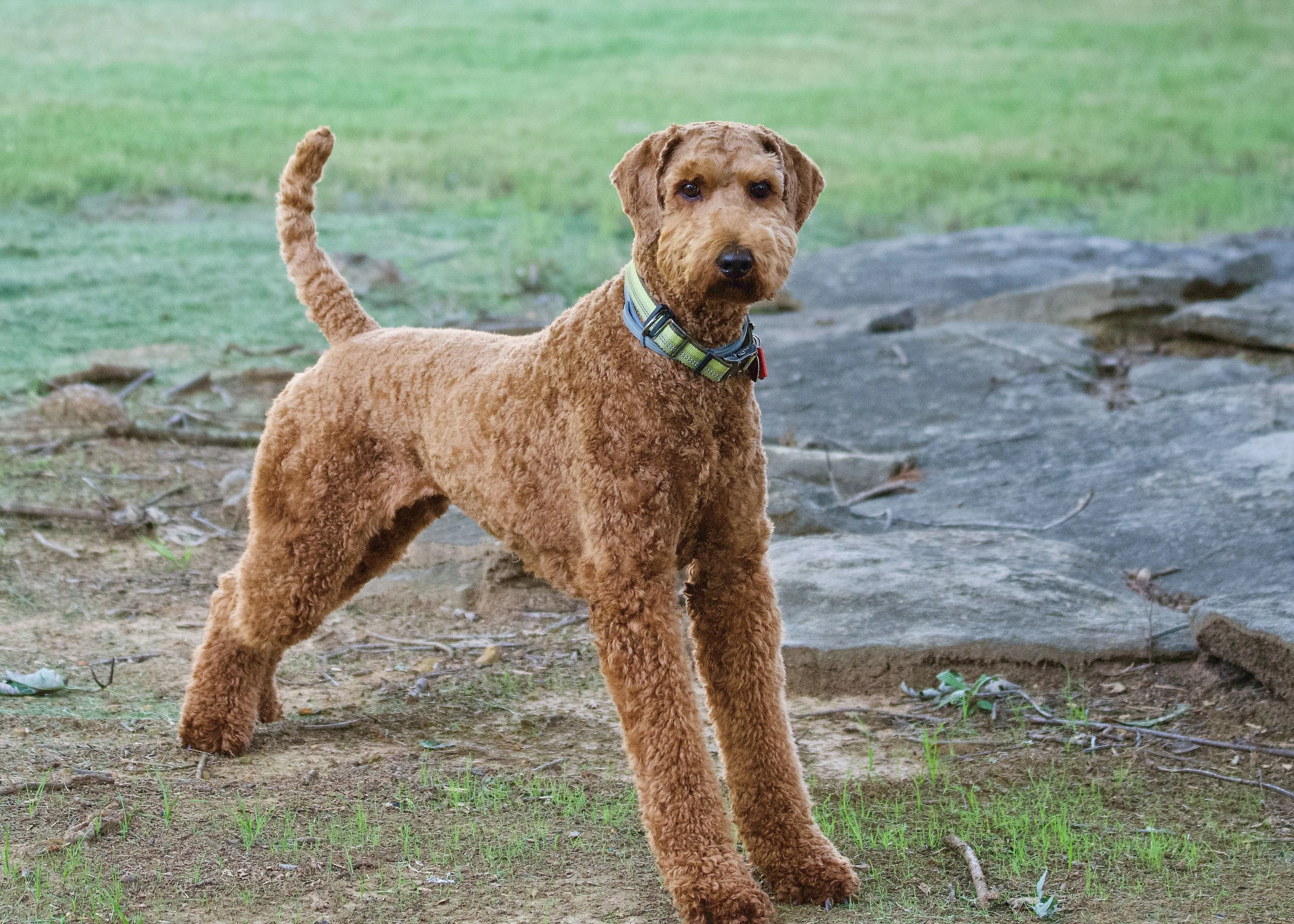
The same crop and light rules that apply to a person apply here, with one adjustment. Fill a good part of the frame with the animal, whole body from nose to tail if the action needs it, and include some floor underneath so there is a clear line between the animal and whatever it is standing on. Light in the eyes matters as much as it does for a face, because a dark eye with no catchlight reads as flat rather than alive once it starts moving.
The mistake specific to pets is contrast rather than crop. Fur is the edge the model works from to separate the animal from everything around it, and a pet photographed against a background close to its own colour, a black dog on a dark rug or a white cat on a pale couch, is the most common reason that edge goes soft and the animal seems to blur into the room behind it. A plain background a shade or two off from the animal’s own coat does more for the result than a sharper camera would.
Getting the animal to look at the lens from its own eye level, rather than being photographed from standing height looking down, also helps more than it seems like it should. A downward angle compresses the body and hides the face at an angle the model then has to guess at, the same three-quarter problem that turns up in photos where a person’s face is turned away.
One honest limit to expect going in
The clip a preset produces is generated from that single still frame, not filmed, so it is always an illustration of the movement rather than a record of how the animal actually moves. That is true for a person too, but it is worth restating here because a dog’s actual gait or a cat’s actual way of turning its head is distinctive in a way that is easy to notice is approximate once it is moving on screen.
None of that makes the three dedicated actions or the style presets not worth trying. It means the honest plan is the same one that works for a person: pick the photo that gives the model the clearest body and the clearest eyes to start from, and treat what comes back as a good likeness of a moment rather than footage of the actual animal.
For the fuller method on light, crop and background that this piece only covers for pets specifically, see choosing a photo that will animate well, and for how much of a body any given action actually needs in frame, how much of the body your photo actually needs goes through the same question for a person.
Common questions
- Can you animate a photo of a dog or cat at all?
- Yes. There are three presets built specifically for a pet, Dance Floor Dog, Zoomies, and Tail Wag Hello, plus a run of style presets that do not depend on a human body at all and work on an animal the same way they work on a person.
- Do the dedicated pet actions work on a cat?
- They were written and tested on a dog. The prompt behind each one specifically calls for a dog, so a cat, a rabbit or a bird is outside what they were built for, and the result is less predictable. The style presets that do not reference a species are the safer choice for anything that is not a dog.
- Why do so few actions work on an animal?
- Most of the catalogue was written to move a human body doing a specific thing, a dance step, a wave, a swing of a golf club, and that choreography assumes shoulders, hips and hands that a four legged animal does not have in the same place. The presets that do not make that assumption, or that were written around a dog's body specifically, are the ones left standing.
- What photo of a pet works best?
- One animal, filling a good part of the frame, photographed at its own eye level rather than looking down from standing height, with the whole body from nose to tail and some floor visible. A pet photographed against a background close to its own colour, a black dog on a dark rug, is the most common reason the outline goes soft.