Animated greetings for Lunar New Year, Diwali and Eid
Three festivals with three different sets of conventions, and a short animated clip only works as a greeting if it respects which one it is sending. What suits each occasion, which actions carry it honestly, and why the family group chat is the real delivery channel.
Three festivals fall across the same few months of the calendar and get treated, online, as one interchangeable occasion. They are not. Lunar New Year, Diwali and Eid each have their own colours, their own gestures, and their own idea of what a greeting is supposed to say. A single animated template sent to all three reads as generic at best and as not having paid attention at worst. The craft here is smaller than it sounds: pick the photograph and the action that actually belong to the festival you are sending for.
Three festivals, three different greetings
Lunar New Year runs on red and gold, a family reunion dinner, and the small ritual of a red envelope passed to the youngest people in the room. The greeting itself is short and upbeat, said at the door or across the table, not performed. A clip for this occasion works best when it looks like a moment lifted from that dinner: someone turning to the camera, arms open, rather than a staged dance.
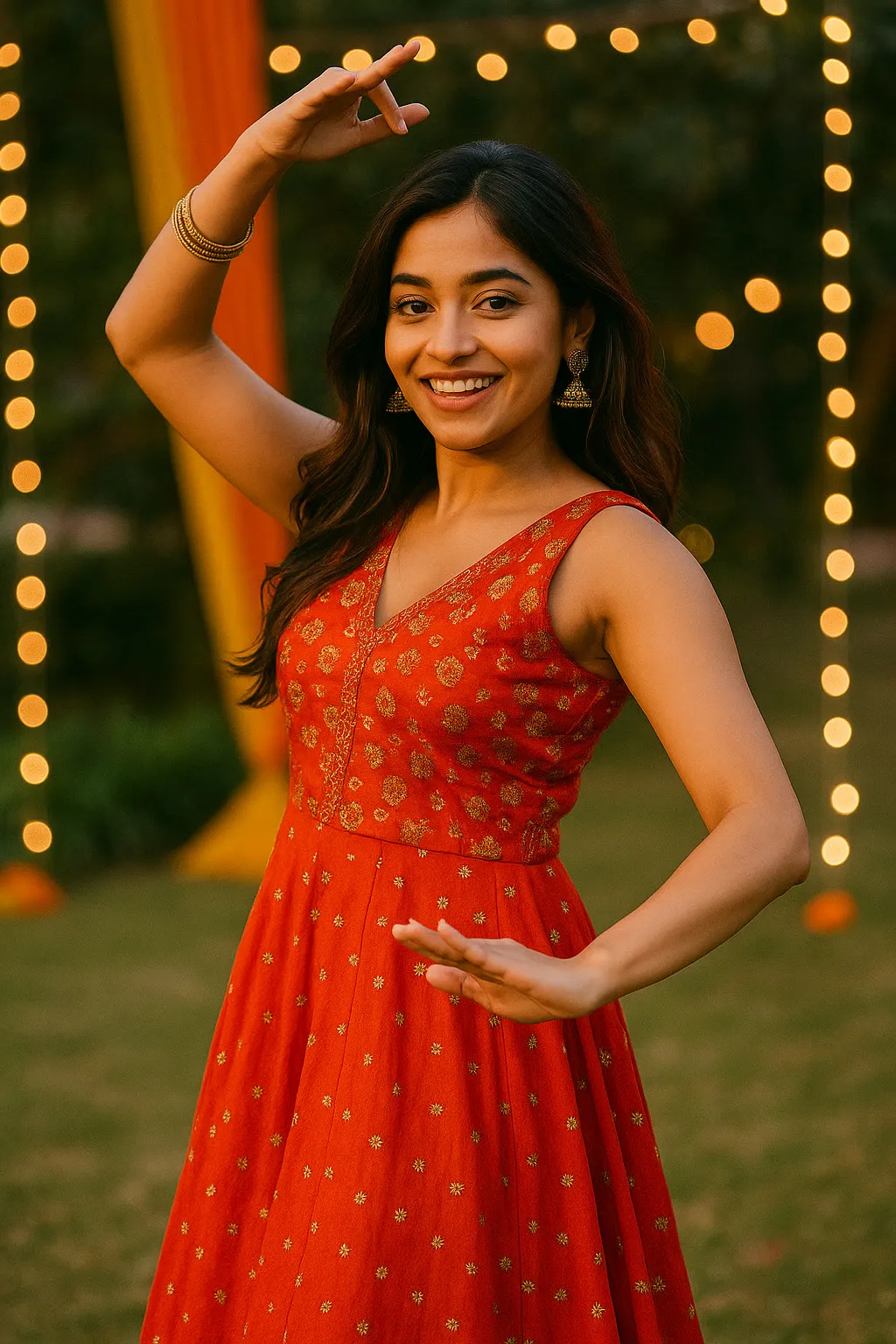
Diwali is the festival of lights, and the visual language follows from that: diyas along a windowsill, a rangoli pattern at the threshold, new clothes, a plate of sweets handed between neighbours. It is also the one festival here with a genuine dance tradition built into its celebrations, which the app’s own library happens to reflect directly.
Eid, at the end of Ramadan or around the Hajj, centres on a communal prayer, new clothes, and a family feast afterward. The greeting “Eid Mubarak” is warm and direct rather than theatrical, and the photographs that suit it tend to be the same: a family gathered at a table, a child in new clothes, a genuine smile rather than a performance.
Treating these as one generic “holiday season” misses what each one is actually for. The better approach is to ask which festival you are greeting someone for, and let that answer decide the photograph.
Which actions carry a celebration without being generic
The library has a small number of actions that suit a festival greeting, and they are not interchangeable with each other.
Bollywood is a traditional Indian dance routine, sweeping arms, a half turn, a stop with the arms flung wide, shot against warm festival light with glitter in the air. It is written for exactly the kind of energetic celebration Diwali brings, and it is a strong, specific fit for that occasion. It is not a general “festive” action to reach for on Lunar New Year or Eid, where that particular dance tradition does not belong.
Celebrating is the most universal of the three: both fists into the air, a shout, a wide open smile held to the lens. Because it does not reference any single tradition, it works across all three festivals, as the moment after the good news rather than a costume for the occasion.
Confetti throw suits the loud, bright instant of a celebration lifting off, which fits a Lunar New Year greeting especially well given how much of that festival’s own imagery is already fireworks and falling colour. It needs real headroom in the photograph, since the confetti falls through the top of the frame, and a plain or softly blurred background so the falling paper stays readable against it.
None of the three needs a costume or a specific backdrop to work. What they need is a clear face, evenly lit, with the framing each one specifically asks for: full figure for Bollywood so the arm sweep has room to land, chest up and arms free for Celebrating, and headroom above the subject for Confetti Throw.
When a family photo is the right one
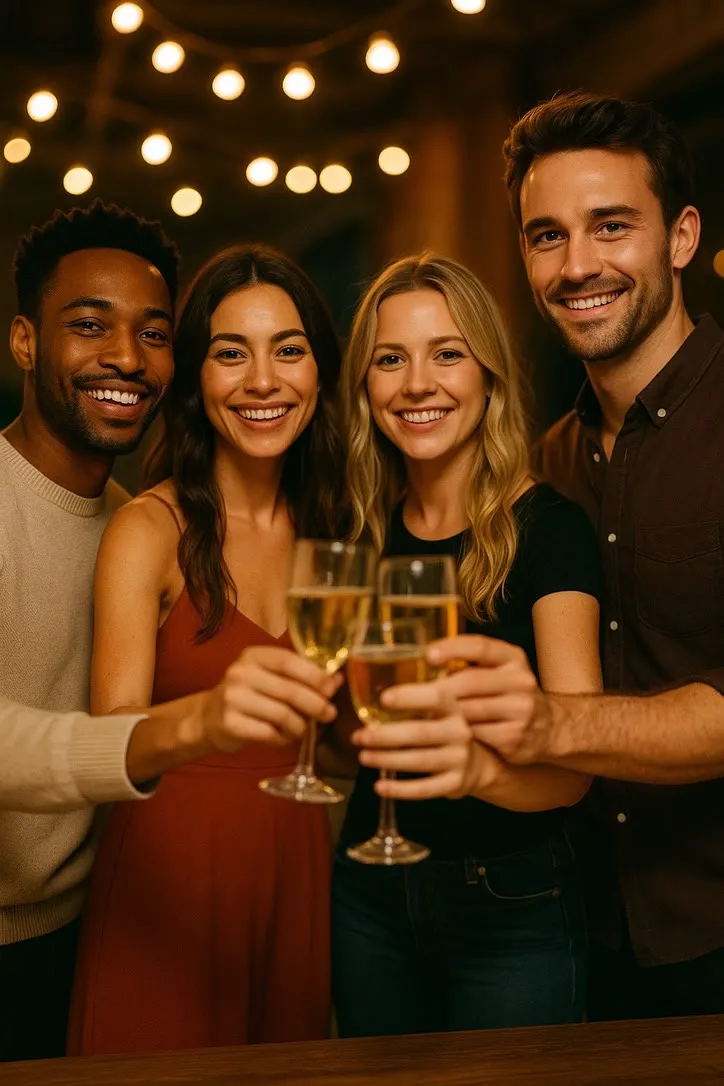
A lot of festival photography is a family group rather than one person, and that changes which action to reach for. Group Selfie is built for exactly that: everyone crowding in, one arm out holding the phone, heads leaning together. It wants two or three close, clearly lit faces, not a long table shot of twelve people at a reunion dinner, because small faces are what every action in this library handles worst. If the real photo is a wide table shot, crop to the two or three people whose greeting actually matters and animate that instead of the whole table.
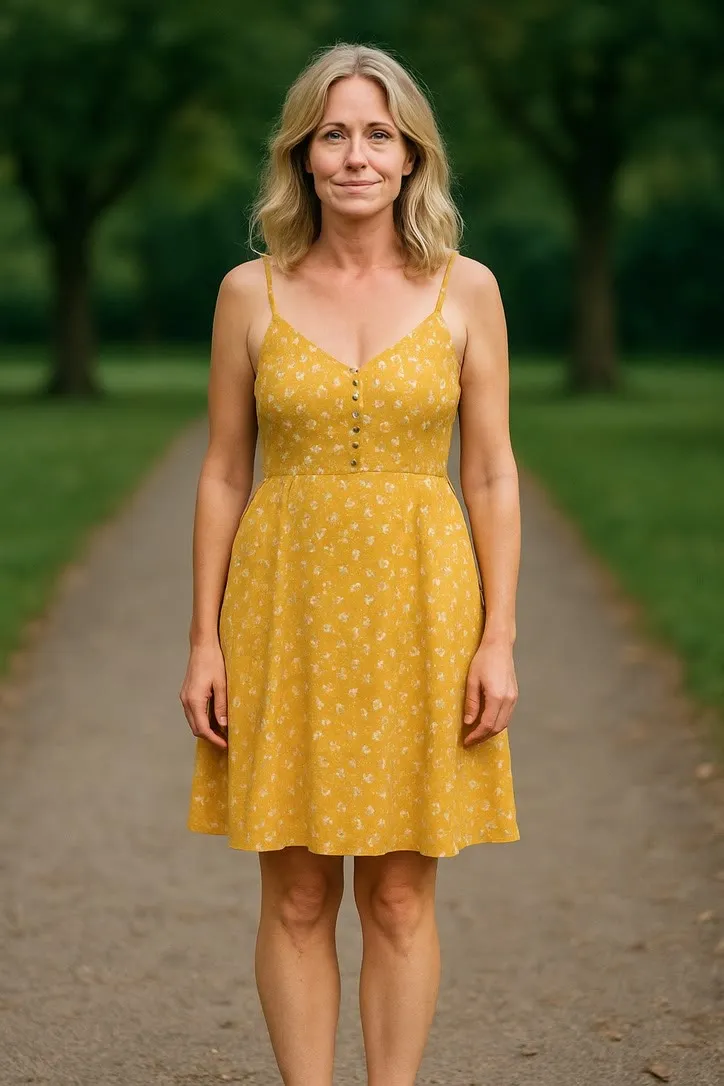
If the photograph you want to use is an older print, a parent’s or grandparent’s Diwali or Lunar New Year photo from years back, that changes the order of operations rather than the choice. A crease or a faded colour cast in the original gets carried into every frame the model generates from it. Our sister site has a practical guide to restoring a damaged or faded print before it goes anywhere near an animation, and it is worth doing that first rather than animating the worn original.
Sending it where it will actually be seen
These greetings are built for a phone screen in a message thread, not an inbox or a printed card.
Send a link in the family group chat, the same thread that is already carrying the “see you Saturday” and the dinner-time plans. That is where a festival greeting is expected and where it gets watched, rather than an email that arrives alongside work mail and gets opened a day late.
Keep it to one clip. A festival greeting is one short moment, not a highlight reel of the whole celebration. Send the photo and the clip together, and let the clip be the thing people discover after they have already seen the still.
Say what it is, once. The clip is a short, plausible illustration of movement generated from a single still photograph, not footage of the actual moment. Most people recognise that instantly from a dance or a confetti throw that clearly did not happen exactly that way, but the honest line costs one sentence and is worth saying before anyone asks.
Said plainly
A festival greeting only lands if it is specific to the festival it is for. Pick the colours, the gesture and the action that actually belong to Lunar New Year, Diwali or Eid, rather than one generic template reused across all three. For the general rules on which photo animates well at all, see choosing a photo that will animate well. For the wider seasonal picture, including Christmas and the end of year card, see holiday cards that move.
Common questions
- Is one animated clip enough for all three festivals?
- No. Lunar New Year, Diwali and Eid have different colours, different gestures and different things people actually say to each other. A clip built for one reads as generic, or slightly wrong, sent for another. Match the action and the photograph to the specific festival rather than reusing one template across all three.
- Which action fits a Diwali greeting?
- Bollywood is the one built for it, a traditional Indian dance routine with sweeping arms and a festival-light backdrop. It is written specifically for that tradition, so it is a strong fit for Diwali and not a stand-in for Lunar New Year or Eid, which have their own very different gestures.
- What about a greeting for a whole family, not one person?
- Group Selfie is the better choice once there is more than one face in frame, since the actions built around a single dancer or a single victorious pose need exactly that, one clear subject. Keep a family reunion photo to two or three close, well-lit faces rather than a long table shot.
- How should I actually send it?
- As a link in the group chat the family already uses, not an email attachment and not a printed card. These greetings are built to be watched once on a phone in a thread full of other messages from the same day, which is where they land best.