Animating a photo with more than one person in it
Group photos are the ones people most want to animate, and the ones that most often disappoint. The arithmetic behind why, which actions actually hold up, and when cropping down to two or three faces beats animating the whole row.
Group photos are the ones people most want to animate, and the ones that most often come back looking a little off. There is a reason for that, and it is not bad luck. It is arithmetic.
The arithmetic that decides it
A photograph has a fixed number of pixels. Every person you add to the frame takes a smaller share of them, and small faces are the single thing these models handle worst. A portrait where one face fills half the picture gives the model a great deal of detail to move: the exact set of the eyes, the shape of the mouth, the way the light falls across the cheek. Split that same frame five ways and each face gets a fifth of the information, often reduced to a few dozen pixels across the eyes once you account for the space taken up by shoulders and background.
Two or three people standing close together, filling most of the frame between them, still leaves each face with enough to work with. Ten people lined up for a formal group shot does not, no matter how sharp the original photograph is. The problem is not resolution in the usual sense. It is that the model has to reinvent every one of those faces at once, across five seconds of movement, from less information than it had for any single face in a portrait.
Which actions actually hold up
Some presets in the library are built around this exact problem and are worth reaching for first.
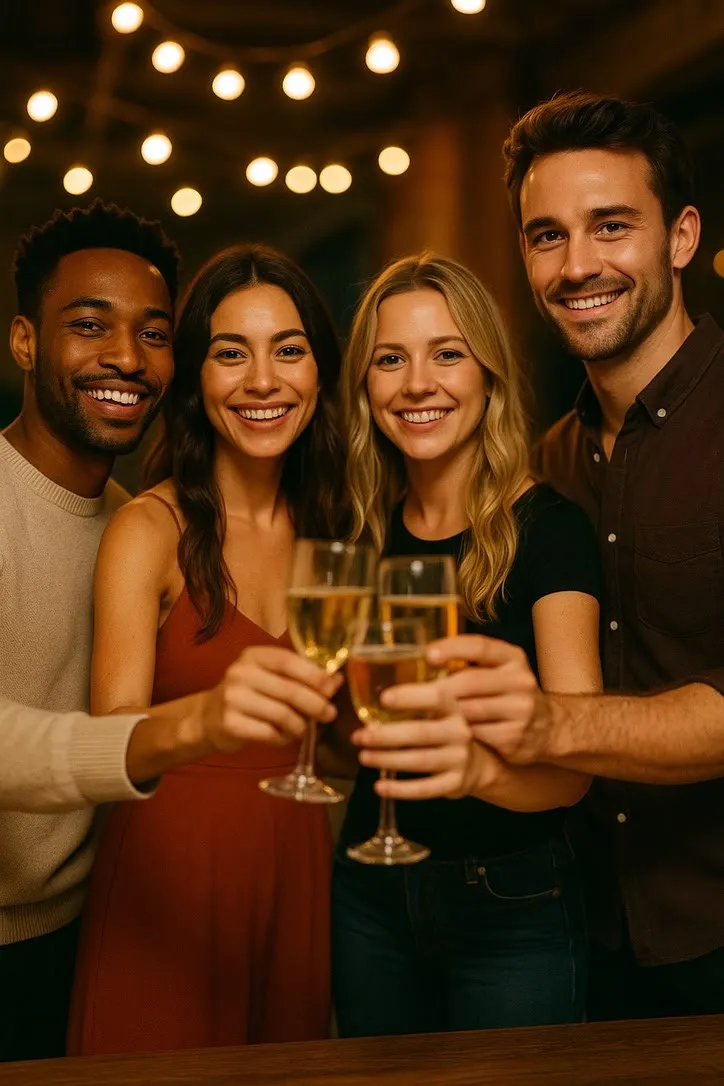
Group Selfie is the clearest case. It is designed around the framing everyone already has on their phone: arm’s length, several people close together, all facing roughly the same direction. That framing happens to be the best possible input for a group animation, which is why it is worth starting there rather than with a formal photograph shot from further back.
Celebration Toast and Celebrating are the other two that suit a small group well. Both spread the movement across several people rather than asking one face to carry the whole clip, which matters because a group photo rarely has one obvious subject. A toast in particular gives the model something concrete to animate in the hands, which takes some of the pressure off getting every face exactly right.
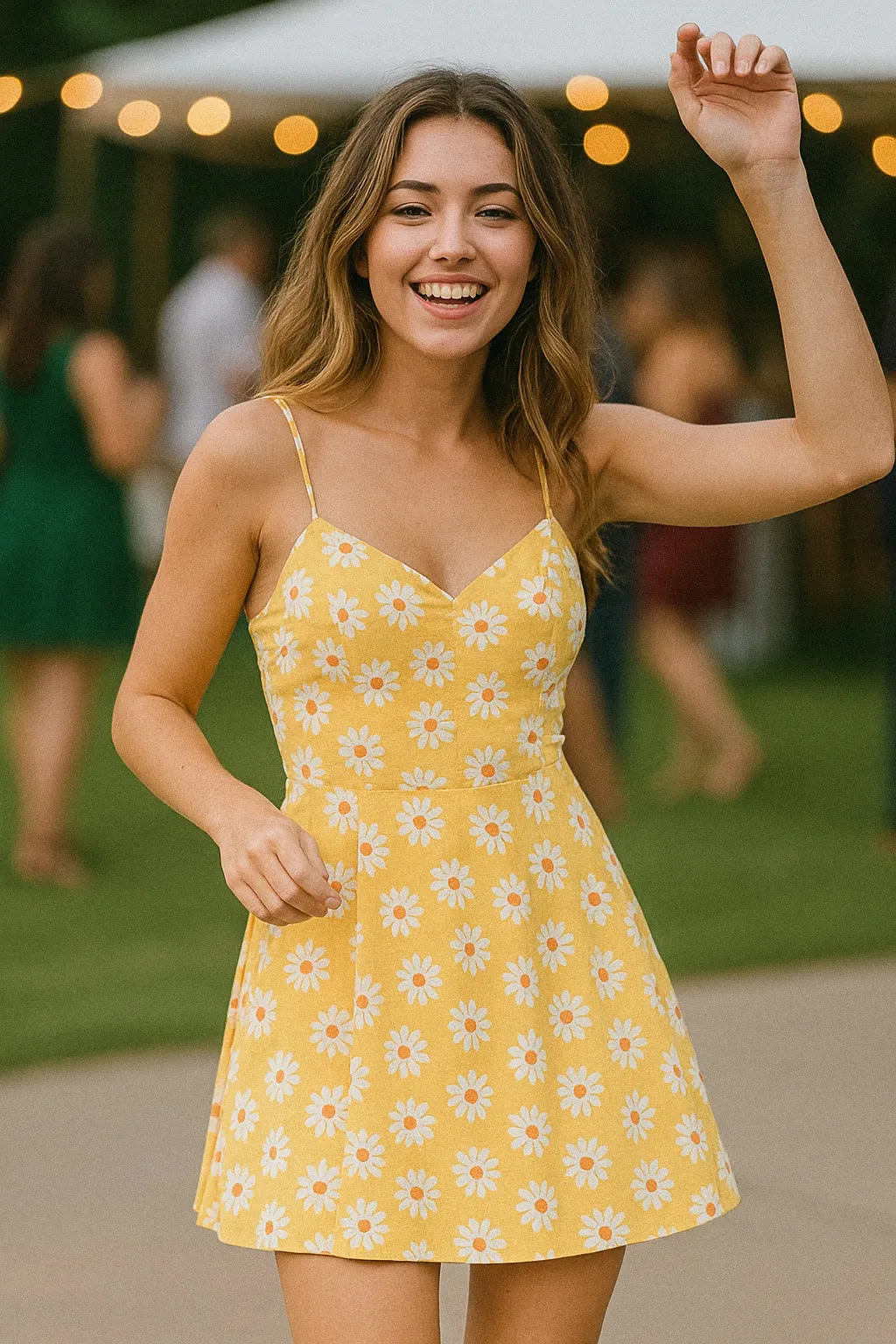
What tends to disappoint is reaching for an action built around a single person, like waving or laughing, and pointing it at a group photo anyway. Those presets were tuned against one face filling most of the frame. Ask them to animate five faces at once and the result usually looks uncertain around the edges, with the people at the sides of the photograph faring worse than the one in the middle.
The alternative worth trying first
The honest fix, when a photograph has more people than the frame can really support, is not a different setting. It is a different crop.
Take the two or three people the moment is actually about and crop to them, leaving the rest of the row out of the file entirely. This feels like a loss when you are looking at a photograph of the whole group, but the animation you get back from a tight, well lit crop of three faces will consistently beat what comes back from the full ten. You can always keep the wide shot as a still and animate the close crop separately. Nothing says a group photo only gets one treatment.
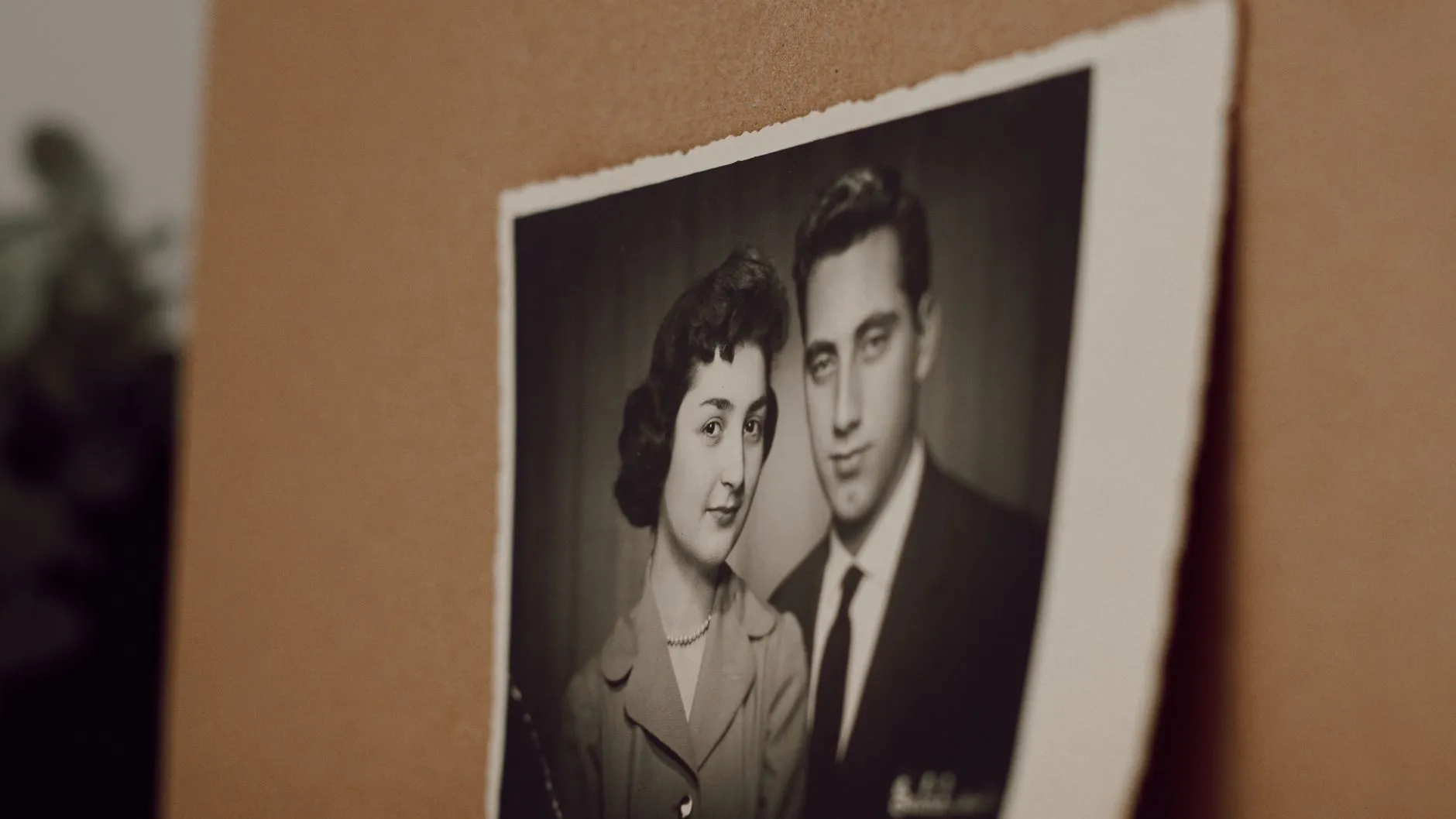
If the group is a pair, an anniversary or engagement portrait for example, this is rarely even a compromise. Two people already fill a frame well, and that is close to the ideal case for any of the actions above.
What to look for before you pick a photo
A few things separate a group photo that will animate cleanly from one that will not, beyond simple face count.
Closeness matters more than headcount. Five people huddled in for a selfie, shoulder to shoulder, hold up better than three people standing a few metres apart in a wider scene, because the huddled group leaves more of the frame to actual faces.
Even light across every face. One person standing in shade at the edge of a group photo becomes the face that looks wrong in the clip, because the model has less to read there than everywhere else. A group shot taken in open shade or soft daylight, with nobody backlit or squinting into the sun, gives every face the same starting chance.
Front-facing beats candid. A posed group looking at the camera is easier to animate than a candid shot of people mid-conversation, because the model does not have to guess which direction several faces are actually turned.
None of this means a candid group photo cannot be animated. It means the odds shift with every one of these factors, and it is worth knowing which way they are shifting before you spend a generation on a photograph that was never going to carry it.
The one honest limit
A clip made from a photograph is generated from that single frame rather than recovered from anything that happened, and a group multiplies that invention by the number of faces in it. One face drifting slightly from the photograph is a small thing. Five faces each drifting a little, all at once, is more noticeable, which is the real reason a tight crop of fewer people so often looks more convincing than the technically complete version with everyone in it.
For the wider version of this problem, choosing which photo to animate at all before you spend a generation on it, see choosing a photo that will animate well. And if the group photo in question is coming out of an old family album rather than off a phone, animating old family photos for a reunion covers the version of this problem with a shoebox involved.
Common questions
- Can you animate a photo with a group of people in it?
- Yes, and some actions are built specifically for it. What matters is how many people and how large each face is in the frame. Two or three people close together, with faces that fill a reasonable part of the picture, hold up well. Ten people in a wide shot rarely do, because each face is left with too little detail for the model to work from.
- Which actions work best for a group photo?
- Group Selfie is built for exactly this, framed at arm's length with everyone close together. Celebration Toast and Celebrating also suit a small group, since the movement is shared rather than resting on one face. Actions built around a single expression, like waving or laughing, tend to disappoint on a group because they were designed to carry one face, not several.
- What should I do if my group photo has too many people to animate well?
- Crop to the two or three people who matter most for the moment you are making, and animate that instead of the full row. A tight, well lit crop of three faces will almost always beat a technically complete but soft result from ten.
- Does everyone in the photo need to be looking at the camera?
- Not strictly, but it helps a lot. A group where most faces are turned toward the camera and evenly lit gives the model a much easier job than one where people are mid-conversation, looking at each other, or caught side on.