Animating a photo of someone famous: what you're actually dealing with
A celebrity photo raises two separate questions at once, who owns the picture and who owns the face, and a generated clip changes the stakes on both. General principles, not legal advice.
Most of the questions on this site are about photographs you already have the right to use: your own face, your family, your friends. A photo of someone famous breaks that assumption in a way worth stopping on before you upload anything, because it is actually two separate questions wearing one trench coat.
Who owns the photograph
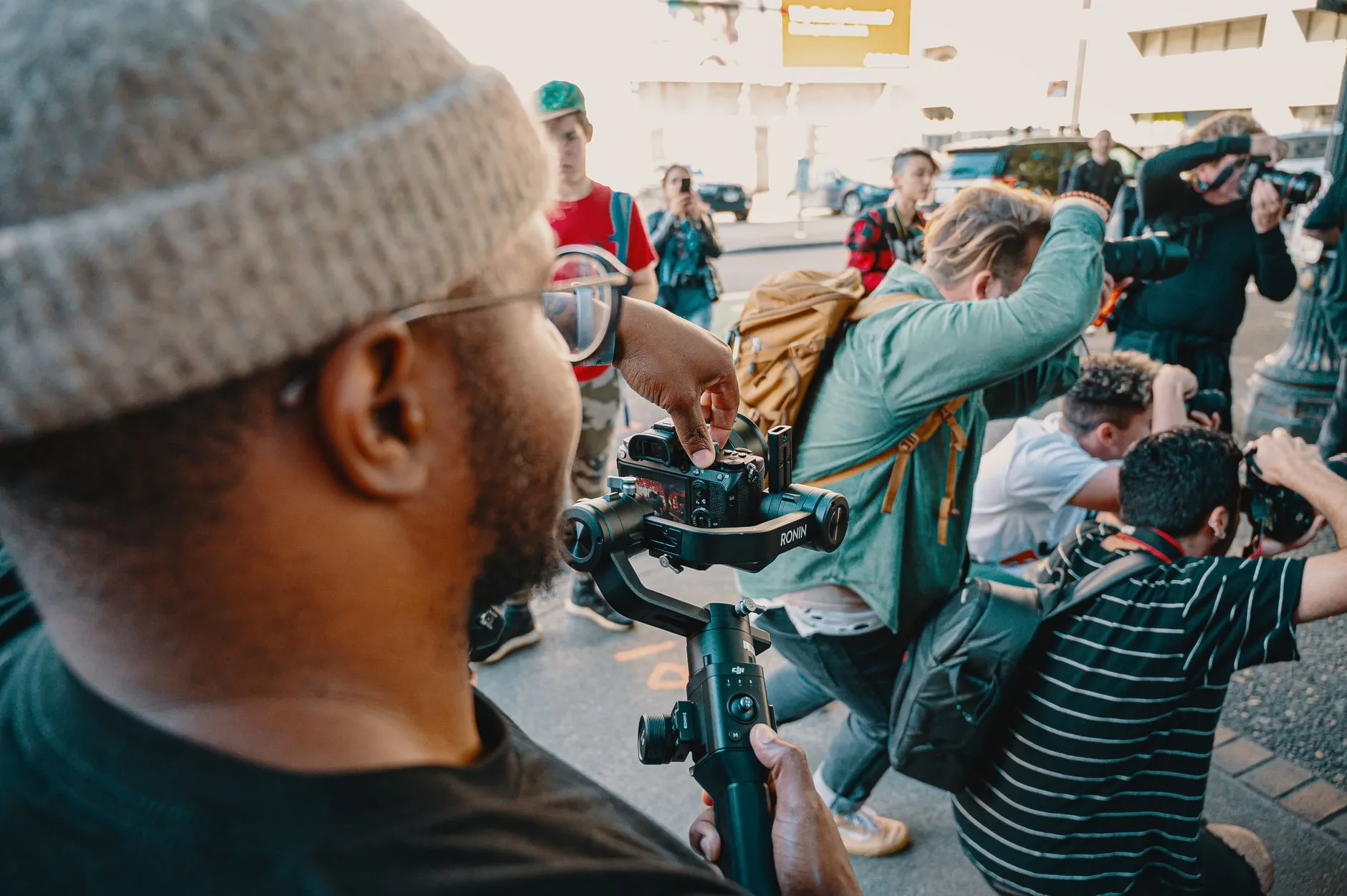
The first question is ordinary copyright, and it is the one people think of first. A photo of a celebrity at an event, on a magazine cover, or lifted from a fan account was taken by somebody, and that somebody or their employer generally owns it. A screenshot from a news site or a reposted paparazzi shot is not yours to use just because it is easy to save.
This is no different from any other photo you did not take. If you would hesitate to post the image itself without credit or permission, that hesitation applies just as much before you animate it, arguably more, because a generated clip is a more finished, more shareable object than the screenshot it came from.
Who owns the face
The second question survives even when the first one does not apply, and it is the one people miss. In most places, a person generally holds some right over their own name, face and likeness, separate from whoever owns the copyright to any particular photo of them. A professional photographer can own the copyright to a red carpet shot and the person in it can still have a say in how their likeness is used, especially in anything that looks like an endorsement or a commercial use.
That right does not disappear because the photo happens to be a famous one, and it does not transfer to you just because you found a workaround for the copyright question. Owning the picture and owning the right to animate the person in it are not the same permission, and treating them as one is the mistake worth avoiding.
Why a moving clip is not the same object as a still
A still photo of someone famous is unremarkable. A five second clip of them doing something, turning to a camera, reacting, walking into a scene, is a different kind of thing, and it is worth being honest about why.
It reads as more plausible to a casual viewer scrolling past it than a still ever would, because motion is what people associate with footage rather than a picture. It travels further, because a moving clip gets reshared in a way a static image often does not. And it sits closer to the territory that platforms and lawmakers are increasingly specific about: a realistic depiction of a real person doing or saying something they did not do. None of that changes because the clip was made with a phone app and a five second preset rather than anything more sophisticated. The object you end up with is judged on what it looks like, not on how it was made.
One honest sentence worth keeping in mind here: the model invents the motion from a single still frame, so what comes out is an illustration built on top of a photograph, not a recording of anything that happened. That gap matters for any subject, but it matters more when the face belongs to someone with a public reputation to protect.
General principles, not a legal opinion
None of this is legal advice, and a general guide cannot tell you what applies in your specific country for your specific use. What is worth carrying into the decision is a sense of where the risk actually sits.
A private joke made from a photo you already had a right to use, shown to a handful of people who know exactly what it is and are not going to mistake it for anything real, sits at the low end. Posting something publicly that implies a celebrity said or did something, used their face to promote a product, or could plausibly be mistaken for real footage by someone scrolling quickly, sits at the much higher end, and that is true regardless of how harmless the intention behind it was.
If you are unsure which end of that spectrum something falls on, that uncertainty is itself worth listening to.
Where this app’s library actually fits
The actions on this site are built around your own photograph. Superhero Selfie invents a whole second figure landing into frame beside you, and Eiffel Tower Selfie drops you into a tourist moment in front of a landmark you were never standing at. Both are designed the same way every action here is designed: a clean source photo of you, and a scene the model builds around it.
That design is exactly what changes when the uploaded face belongs to someone else, and changes again when that someone else is a public figure whose image already carries weight. The craft advice for choosing a good source photo (see choosing a photo that will animate well) still applies to the technical side of any face you animate. It has nothing useful to say about whether you should be animating that face in the first place, which is a different question entirely, and the one this page is actually about.
For the version of this question that comes up far more often, a photo of somebody you actually know, asking permission before you animate someone covers the everyday judgment calls: family, colleagues, and the people who end up in the background of your photos without ever agreeing to be there. The landmark selfie actions specifically, including Eiffel Tower, get their own fuller treatment in the landmark selfie actions guide, which is the better place to go if your photo is your own and the only question left is which preset suits it.
Common questions
- Can I make an AI video of a celebrity?
- You can technically upload any photograph, but doing it well means separating two questions first: do you have any right to use this particular photo, and does the person in it have a say over their own likeness regardless of who took the picture. Both answers depend on where you live and what you plan to do with the result, so treat this as a framework for thinking it through rather than a yes or no.
- Is it legal to animate a photo of a public figure?
- This is not legal advice, and the honest answer is that it depends on your country, the photo's source, and what you do with the clip afterwards. Posting a clearly labelled joke for a handful of friends sits in different territory from anything that implies the person endorsed something or did something they did not do.
- Does it matter if I took the photo myself?
- It helps with one half of the problem and not the other. Owning the copyright to a photo you took yourself settles who can use the image. It says nothing about the separate right a person generally holds over their own face and name, which exists independently of who holds the camera.
- Why does a moving clip matter more than a photo of the same person?
- A still photograph of a celebrity is unremarkable, millions exist already. A generated clip puts that person in a scene or an action that never happened, which is a different kind of object. It reads as more real to a casual viewer, it travels further once it is moving, and it sits closer to the territory platforms and lawmakers mean when they talk about synthetic media.