The landmark selfie actions: what they actually put behind you
Eiffel Tower, the Great Wall, Sydney Harbour. These actions do not crop a background into your photograph, they invent one entirely. What that means for which photo to start with, and how to keep the joke honest.
Most of the action library asks a photograph to keep being itself and add a movement. The landmark and travel group does something different. Point it at a photo taken in a living room and it will hand back a selfie apparently taken in front of the Eiffel Tower. The room is gone. The tower was never there. Understanding that one fact changes what photo you should actually use.
The background is invented, not kept
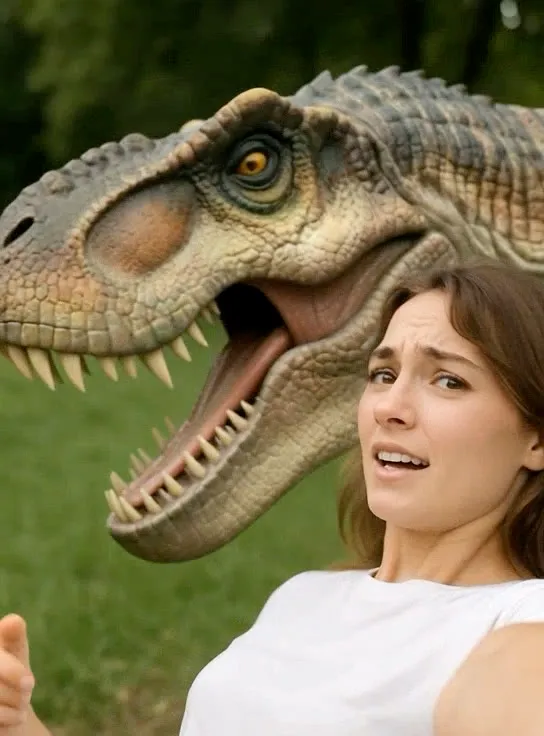
Look at the Eiffel Tower Selfie, Opera House Selfie, Liberty Statue Selfie, Great Wall Selfie and Taj Mahal Selfie actions and a pattern shows up fast. Every one of them is built to produce the same kind of clip: a person holding a phone at arm’s length, smiling or reacting, with a specific landmark clearly visible and slightly blurred behind them, the whole thing shot through with the small handheld wobble of an actual tourist recording themselves. That background is generated fresh for the clip. Your photograph supplies the person, not the place.
This matters because it flips the usual advice about backgrounds. For most of the library, a busy or cluttered background is a problem, because the model has to reconstruct it frame by frame as the person moves, and detailed scenes tend to smear. Here, your original background barely survives into the result at all. It gets replaced. A cluttered kitchen behind you is not disqualifying the way it would be for a dance action, because the kitchen is not what ends up in the frame.
Scenery Selfie works the same way with a generic dramatic backdrop rather than a named landmark, and Plane Window Seat does the smaller version of the same trick, adding a cabin, a window and drifting clouds around a face that was, in the original photo, almost certainly not on a plane.
What the source photo still has to do
Replacing the background does not mean the photograph stops mattering. It changes what part of it matters.
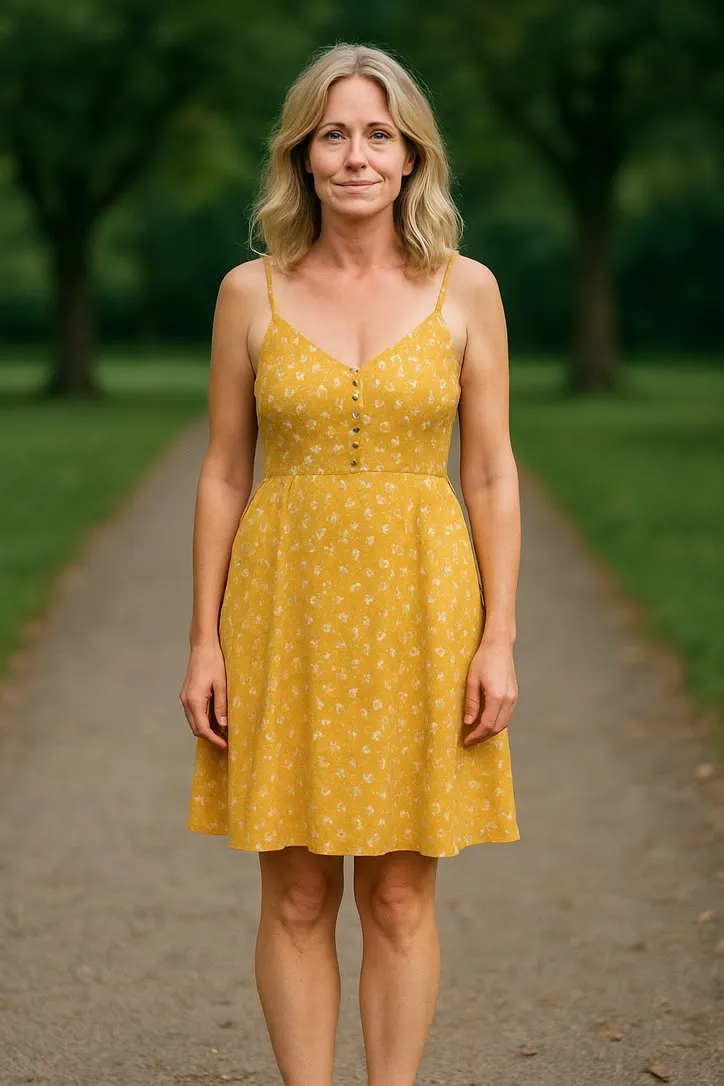
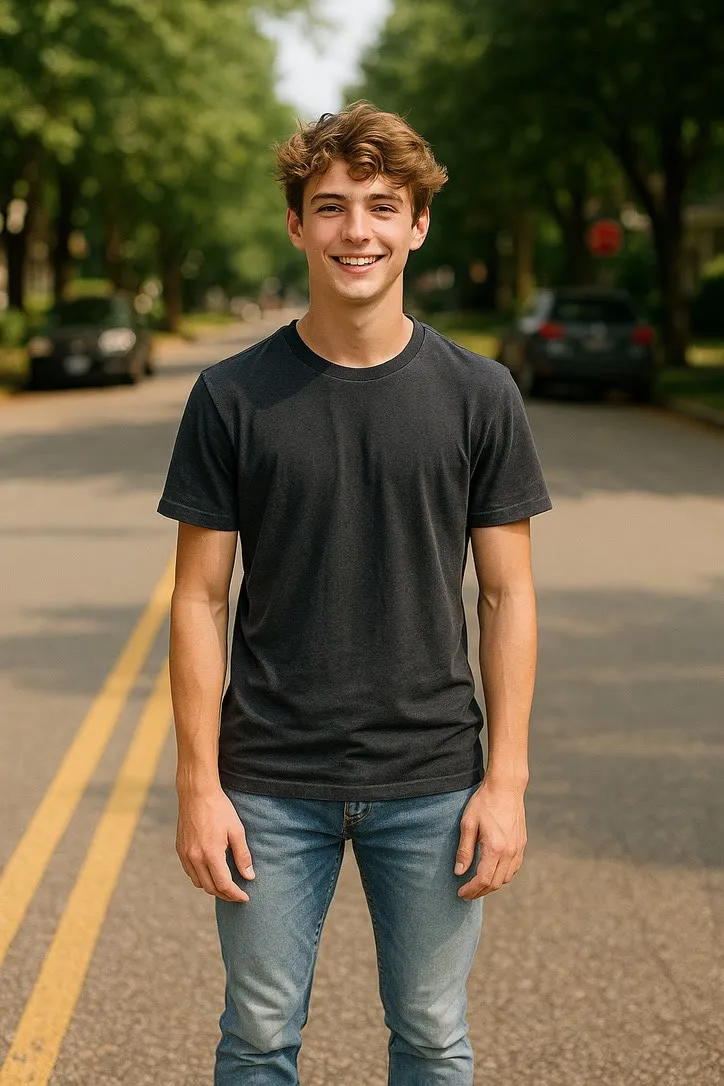
The face still needs to be clear. The model is building a plausible tourist selfie around the person in your photo, and it does that by keeping the face close to what you gave it while inventing everything around it. A face turned away, poorly lit, or partly covered by sunglasses gives it less to keep faithful, exactly as it would for any other action.
Waist up, front on, is the right crop. These are all selfie style actions, and a selfie is a specific kind of photograph: taken close, at arm’s length, showing the top half of a person. A full length photo will still work, but a waist up crop already matches what the action is trying to produce, so there is less for the model to invent about the pose itself.
A visible hand helps but is not required. Every one of these prompts describes a person holding a phone at arm’s length. If your source photo already shows a hand raised in something like that position, the result tends to look a little more settled. If it does not, the model adds the phone and the arm itself, which is one more thing being invented rather than carried over from your picture, and occasionally the reason a hand looks slightly off in the result.
Plain clothing beats a logo or a pattern. A plain background usually is not there to protect in this group, but a plain shirt still is. Whatever you are wearing survives into the generated scene, and text or a busy print is exactly the kind of fine detail that a moving clip renders less cleanly than a still photograph.
One thing worth thinking about before you pick a landmark
Because the setting is invented rather than photographed, nothing stops you from sending someone to the Great Wall in a beach photo or the Taj Mahal in a snow jacket. It usually still looks better when the clothing in the photo does not visibly fight the place in the clip’s name. A heavy coat in front of the Sydney Opera House on a bright harbour day, or short sleeves against the Great Wall’s mountain backdrop, is a small detail, but it is the kind of detail that turns a good joke into a slightly confusing one. It costs nothing to match a warm looking photo to a warm looking destination.
Where this is actually good for something
The honest use for this group is not convincing anyone of a trip that did not happen. It is a small, obviously fictional joke that both people are in on: a “world tour” reel stitched from five of these clips for a milestone birthday, a long distance friend group sending each other selfies at landmarks none of them have visited together, a sibling added to a photo from a trip they missed. The appeal depends on it reading as invented. Say so when you send it, in whatever words feel natural. It takes a sentence and it is the difference between a joke landing and someone wondering, even briefly, whether the picture is real.
The photograph doing the least work here is often an old one. If the person in it is a parent or grandparent and the only photo on hand is a faded print from decades back, the fading travels into the generated selfie the same way it would into any other action. Our sister site has a practical guide to restoring an old or damaged photo if that is the situation, and it is worth doing before rather than after.
Said plainly
Every clip out of this group is a still frame from your life placed inside a scene the model built from nothing, not a record of anywhere you have been. That is the whole premise, and it works precisely because nobody involved mistakes it for footage. Once you have the photo, the general rules for choosing a photo that will animate well still apply to the part of the picture that survives: the face. The setting was never yours to begin with.
Common questions
- Does my photo need to have a landmark in it already?
- No, and it usually should not. The Eiffel Tower, the Opera House and the rest are generated by the model, not lifted from your picture. Start with an ordinary photo of the person, most likely nowhere near the place in the clip's name.
- What photo works best for these actions?
- A clear, front on shot from about the waist up, with the face well lit and nothing crossing it. Because the background is being replaced rather than kept, a plain or simple original background is the easiest case, not a requirement.
- Will the result look like a real photo from that trip?
- It will look like a phone selfie taken somewhere the person was not, generated from a still frame. Say that when you share it. Nobody minds a joke that admits it is one, and the whole appeal here depends on both people knowing it is invented.
- Can I use an old or faded photograph for one of these?
- You can, though a faded print carries its fading into the generated selfie the same way it would into any other action. If the print is genuinely damaged, repairing the scan first gets you a cleaner result than running the worn original twice.