The Epic Encounters actions: what they actually add next to you
A dinosaur, a lion, a caped superhero, a zombie horde, a second version of yourself. None of it comes from your photograph. What that means for which picture to start with, and which occasion each one actually suits.
Most of the action library asks a photograph to keep being itself and add a movement. The Epic Encounters group does something closer to what the landmark selfies do: it adds a co-star. A dinosaur, a lion, a caped hero, a street full of zombies, or a second version of you. None of it was in your original picture, and understanding that changes what you should actually photograph before you press generate.
Nothing in the scene came from your photo
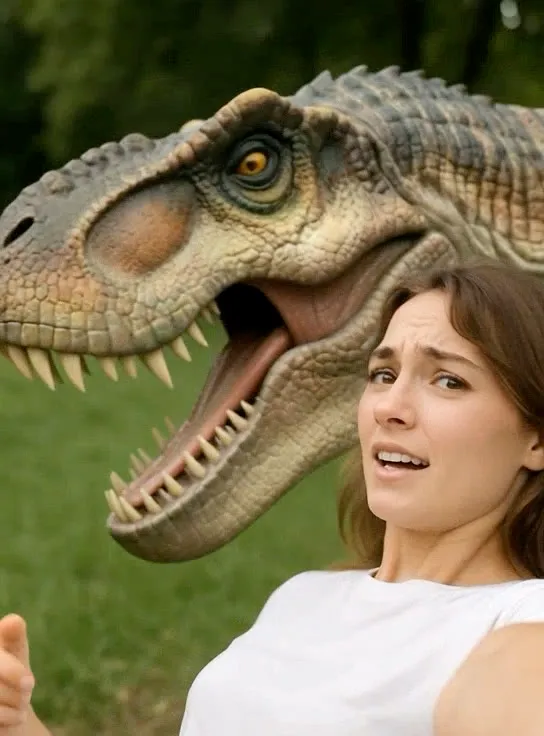
Look at the five actions in this group and a pattern shows up immediately. Dinosaur Encounter puts you in a jeep with a dinosaur’s head looming into frame. Lion Encounter Selfie puts a lion walking calmly through an open savannah behind you. Superhero Selfie has a caped figure arrive at speed and share the frame with a wink. Zombie Selfie fills a dusk street with staggering figures in the distance. Twin Selfie is the odd one out and the simplest to explain: it builds a second version of you from the same photo, standing beside the first.
In every case but the last, the jeep, the savannah, the cape, the wrecked street, is built by the model from the prompt behind the action, not lifted from anything you supplied. Your photograph’s job is narrower than it looks: give the model a face it can carry faithfully into a scene it is inventing whole.
That flips the usual advice about backgrounds. For most of the library, a cluttered or busy background is a liability, because the model has to reconstruct it frame by frame as you move, and detail tends to smear. Here, your actual background barely survives into the result. A plain wall behind you in the source photo is fine. A messy kitchen behind you is also fine, for the same reason it would not usually be: none of it ends up in the clip.
What your source photo still needs to do
Replacing the scene does not mean the photograph stops mattering. It changes which part of it matters.
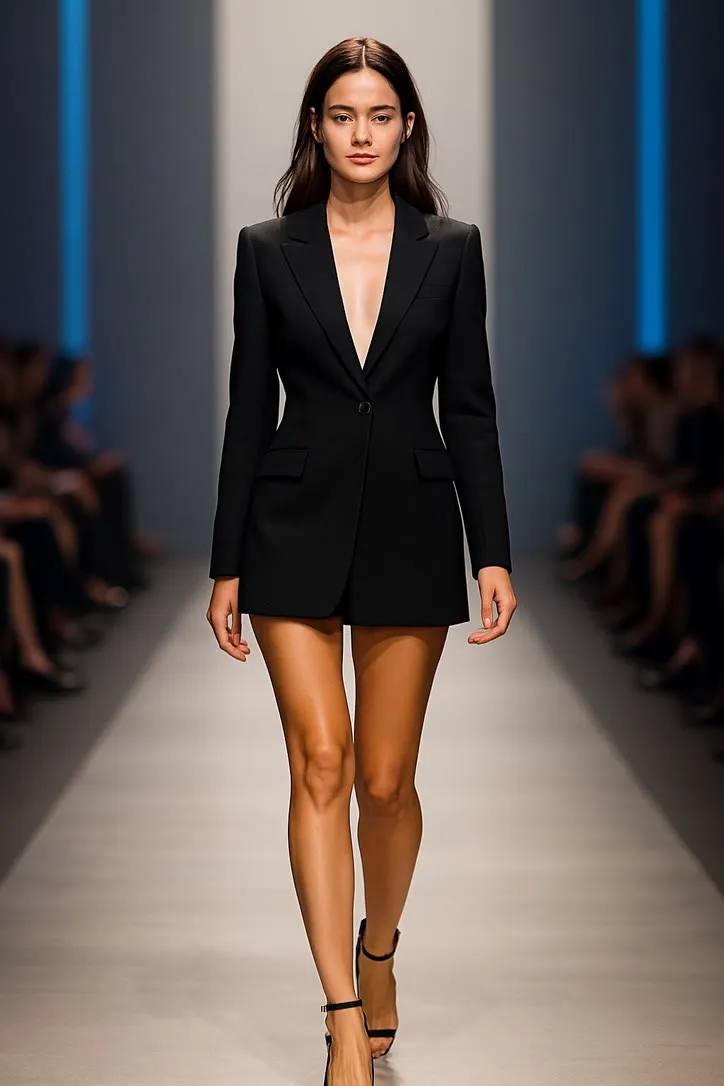
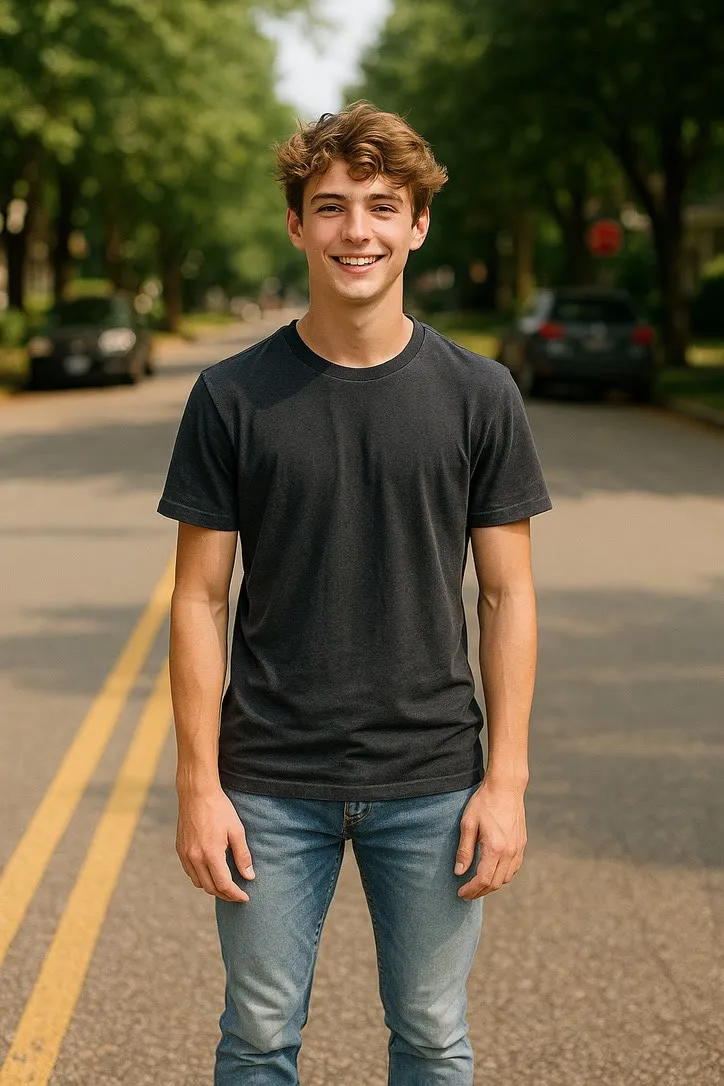
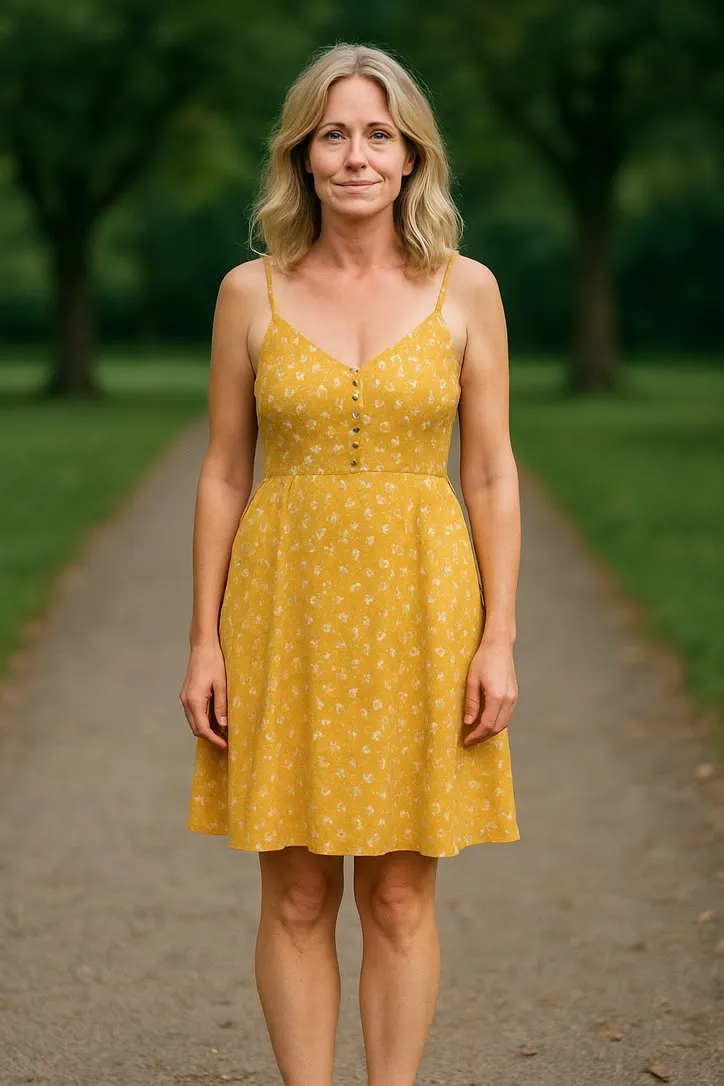
A clear, front-on face, well lit. Every action in this group is filmed selfie style, at arm’s length, so the framing that already suits a phone selfie is the framing that suits these actions. A face turned away or lit from one side gives the model less to stay faithful to while it builds everything around it.
One person, not a group. Dinosaur, Lion, Superhero and Zombie are all written for a single person reacting to something. A group photo confuses which face is meant to carry the reaction, and Twin specifically needs one clear face to duplicate, not several to choose between.
A relatively neutral starting expression. Three of these prompts already script the reaction for you: surprise at the lion, shock at the dinosaur, unease at the zombie horde. If your source photo already shows a huge grin or a startled expression, the model has to reconcile that with the reaction it is trying to generate, and the result reads as less certain than starting from something closer to neutral.
A visible hand helps, but is not required. These are all framed as a phone held at arm’s length. If your photo already shows something like that pose, the result tends to settle faster. If it does not, the model adds the arm and the phone itself, which is one more invented detail rather than one carried over.
Matching the action to the occasion
Each one has an obvious moment it suits, and a few it does not.
- Dinosaur Encounter is built for a dinosaur-mad kid’s birthday, a museum trip photo, or anyone who has ever wanted a Jurassic Park reaction shot of their own. It wants headroom above and behind you for the head to loom into.
- Lion Encounter Selfie suits the same age group and the safari-themed party, or simply the joke of an unbothered predator strolling past someone who is very bothered indeed.
- Superhero Selfie is the natural fit for a costume party, a comic convention photo, or a kid’s superhero-themed birthday. It is also the gentlest of the five, since the scene stays close and simple rather than building an entire environment.
- Zombie Selfie belongs at Halloween or a horror movie night in. It is a costume trope, not a comment on anyone real, and it reads exactly the way a haunted house photo does.
- Twin Selfie is the one with no built-in occasion, which is what makes it flexible. It suits a “which one is really you” joke for a friend group, or simply the appeal of seeing two expressions on your own face side by side. It is also the one worth using on a photo you actually like, since nothing about the scene is being replaced, only duplicated.
Say what it is when you send it
The whole appeal of this group depends on nobody mistaking it for something that happened. A dinosaur head over your shoulder or a lion three feet away reads instantly as a joke to most people, but the honest habit is worth keeping anyway: say, in whatever words feel natural, that it is generated. It costs one sentence and it is the difference between a joke that lands cleanly and a message thread where someone spends a moment wondering if you were actually on safari.
The same honesty applies in the other direction. These clips are a plausible five seconds built from one still frame, not footage of anything. Treat the reaction on your face in the result as an illustration of what a jump-scare dinosaur might get out of you, not a recording of the moment you saw one.
Where an old photo fits, and where it does not
Twin works well on an older photograph, since the mechanic is a duplication of the face you gave it rather than a reaction the face has to perform. Dinosaur, Lion, Superhero and Zombie generally suit a recent, well-lit photo better, because the model is asking the face to hold a specific reaction while it builds a whole scene around it, and a faded or damaged print gives it less to work with in both directions at once. If the photo you want to use is a damaged print rather than a phone shot, our sister site has a practical guide to restoring an old or damaged photo worth doing first. Animate the repaired scan, not the worn original.
Said plainly
Every clip out of this group takes a still frame from your life and drops it into a scene, or a duplicate, the model built rather than found. That is the whole premise, and it only works because nobody involved mistakes it for something that was filmed. Once you have settled on a photo, the general rules for choosing a photo that will animate well still apply to the part of the picture that survives: your face. The dinosaur, the lion, the cape and the zombies were never yours to begin with. For the sister group that invents a place instead of a co-star, see the landmark selfie actions.
Common questions
- Does my photo need a costume, a prop, or a specific location?
- No. Every action in this group invents its own scene: the savannah, the jeep, the cape, the wrecked street. Your photograph only needs to supply a clear, ordinary shot of a face. Everything else is generated.
- Which one is easiest to get a good result from?
- Superhero and Twin, because both keep the frame simple, a plain selfie with one visible face. Dinosaur, Lion and Zombie ask the model to build a whole scene behind you, which gives it more to invent and more chances for something in the background to look slightly off.
- Is the Twin action just a filter that mirrors my face?
- No, it generates two independent versions of you from the same source photograph, with different small expressions, rather than mirroring one side. The two faces will not be perfectly symmetrical, which is what makes it read as two people rather than a reflection.
- Is the Zombie action in poor taste?
- It is built as a survival-horror trope, in the same family as a Halloween costume or a monster movie, not a reference to a real person who has died. Treat it the way you would treat any costume party photo, and it sits fine at a Halloween gathering or a spooky-movie night in.