The dance actions and the photograph they actually need
Breakdance, salsa, ballet, hip hop and Bollywood all move through the hips, knees and feet, which rules out more photos than people expect before the dancing even starts.
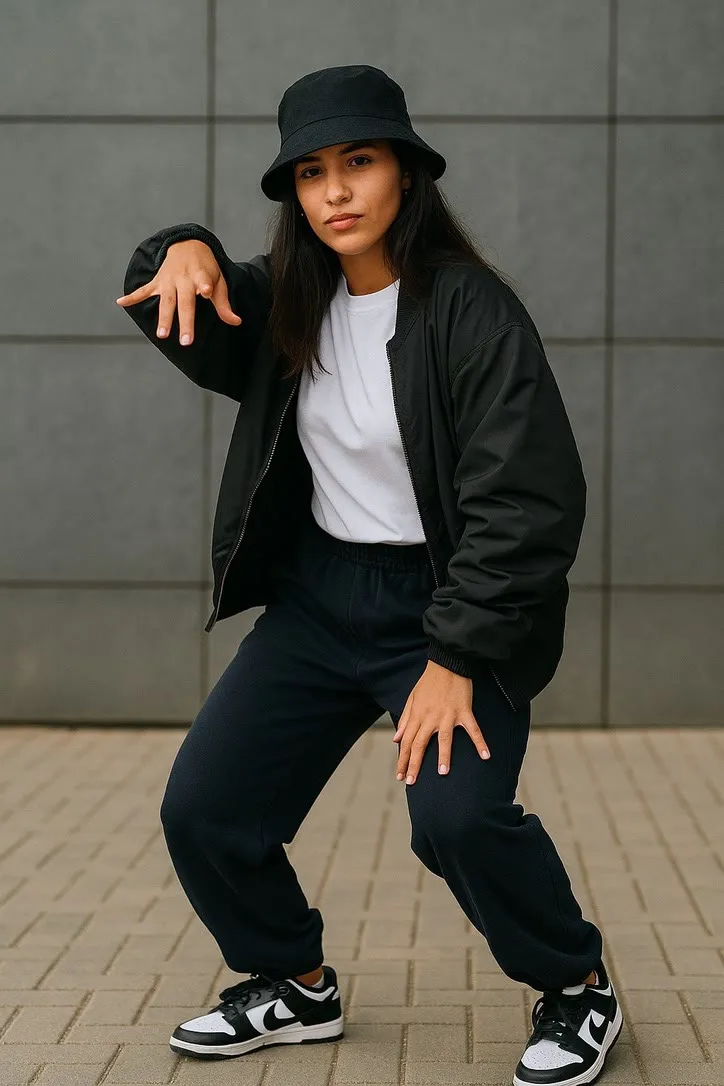
Of everything in the sixty one preset library, the dance actions are the ones people reach for with the least warning. A photo from a wedding, a studio headshot, a holiday snap on a beach, and the instinct is to try breakdance or salsa on it because dancing looks fun. Most of those photos fail for the same single reason, and it has nothing to do with how good the photo is. It is the wrong shape for what the action needs to move.
The requirement that comes before the dancing
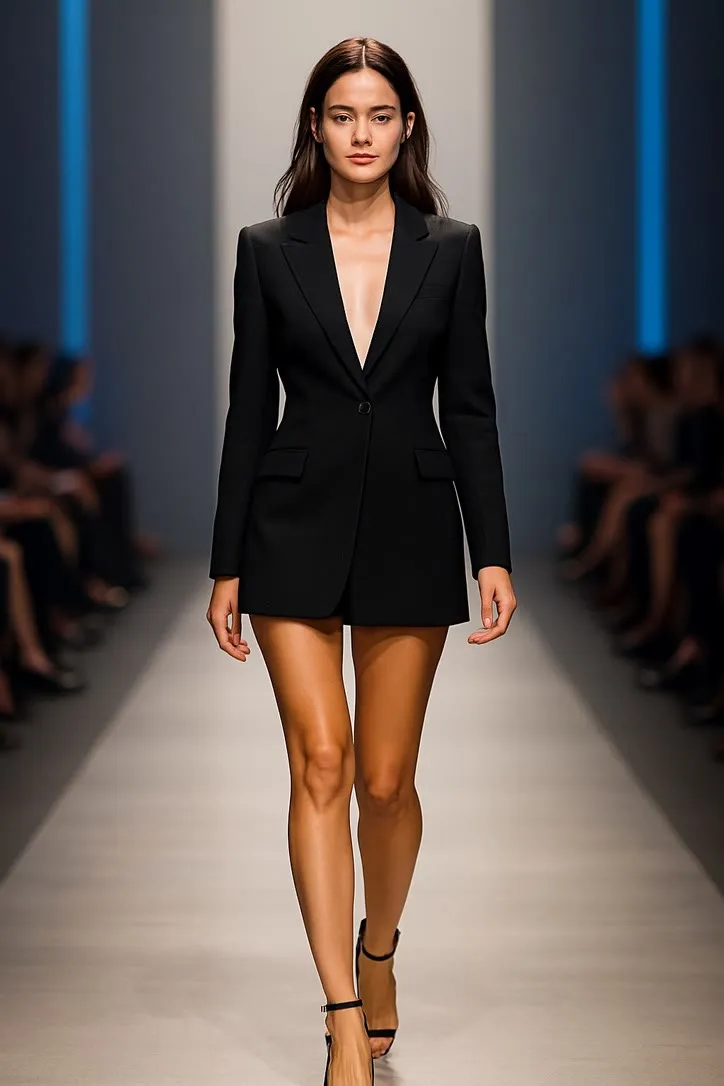
Every dance preset in the catalogue, breakdance, salsa, ballet, hip hop and Bollywood, moves through the hips, the knees or the feet at some point in the clip. A six step drops to the floor. A turn pivots on a planted foot. An arabesque extends a leg behind the body. None of that can come from a photo that stops at the waist, because the part of the person that is supposed to move was never photographed in the first place. The fix is not a better crop of the same picture. It is a different picture: head to feet, with real floor visible underneath the feet, and enough space around the body that a turn or a lift has somewhere to go.
This is the same rule that governs how much of the body your photo actually needs for the rest of the library, dance actions just sit at the strict end of it. An expression action can work from a close portrait because the movement lives in the face. A dance action cannot, because the movement lives in the part of the body a portrait leaves out.
What actually separates the five
They are not interchangeable once the crop is right. Breakdance drops low into a six step, weight planted on one arm while the legs circle underneath, and it is rated for the largest motion of the five in the app’s own catalogue. That low, grounded pose is also the hardest to fake from a photo that was not already close to standing, since the model has to invent the crouch as much as the motion through it. Ballet carries the same large rating for a different reason: an arabesque rises onto the toes and extends one leg straight out behind the body, which asks for a very specific, very visible leg that a looser standing photo does not obviously provide.
Salsa, Hip Hop and Bollywood are all rated for a more moderate motion. Salsa keeps the feet closer to a basic step with a hip roll and an underarm turn, which stays nearer to how most people are already standing in a casual photo. Hip hop asks for a shoulder pop and a crouch into a spin, lower than salsa but not as extreme as the breakdance floor work. Bollywood leans on the arms and shoulders, a sweep of the hands and a half turn, with the feet doing comparatively less than the upper body does. None of that makes the moderate three easy. It makes them a smaller jump from an ordinary standing photo than breakdance or ballet are, which is a real difference when you are choosing between five options and only have one photo to start from.
Clothing that moves, floors that stay out of the way
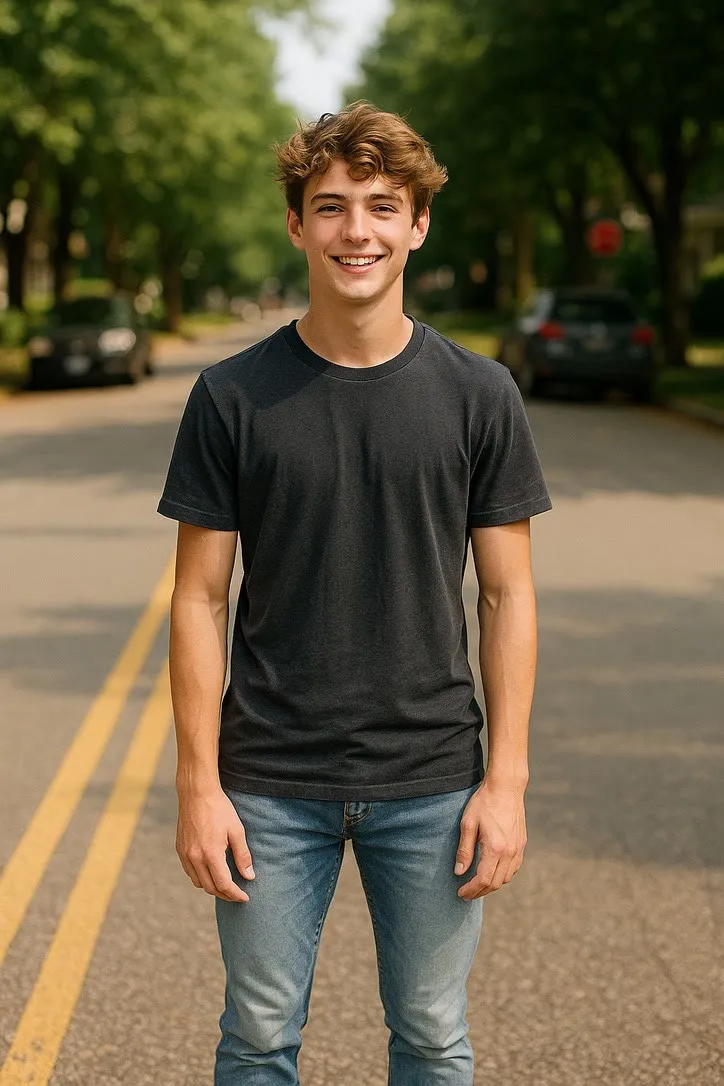
Two things matter almost as much as the crop. The first is clothing. A tight t-shirt and jeans give a turn or a shimmy nothing to visibly respond with, so the movement has to be read entirely from the limbs, which is a harder read for the model and for anyone watching the result. A skirt that can swing on a salsa turn, a loose shirt that can settle after a Bollywood sweep, or anything with a little drape to it gives the motion a second, more obvious thing to animate. It does not need to be special. It needs to be loose enough to move on its own.
The second is the floor and whatever sits behind the dancer. A dance clip drags the whole lower body through the frame, which means more of the background has to be rebuilt by the model than in almost any other action. A plain floor, an uncluttered wall, or open ground all survive that far better than a patterned rug, a room full of furniture, or a crowd of other people standing close behind. The same busy background that is a minor distraction behind a waving hand becomes something the model has to smear and reconstruct frame by frame behind a full body turn.
Why a chest-up crop cannot be rescued
With most actions in the library, a slightly wrong photo still produces something, just not the best possible result. A dance action from a waist-up or chest-up photo is a different kind of failure, because there is no lower body in the source frame for the model to extend at all. It has to invent legs, a stance and a floor from nothing, rather than animate legs that were already there, and the result tends to show it in a way that better lighting or a sharper photo cannot fix after the fact. This is the one place in the catalogue where the crop decision is not a quality dial. It is a pass or fail question, decided before you ever press generate.
If the only photo on hand is a close portrait from a recital or a night out years ago, that is worth knowing before trying one of these five, not after a disappointing result. A full length photo taken specifically for the purpose, even a quick one on a phone against a plain wall, will outperform a beautifully lit headshot every time a dance action is the goal. And if the one full length photo that exists is an old print with real creases or fading, our sister site has a practical guide to restoring a damaged photo before it goes anywhere near an animation.
Said plainly
The model is generating a short, plausible extension of one still frame, not recovering footage of how the person actually moved. For a dance action more than almost anywhere else in the library, what it can plausibly extend depends entirely on what the photograph already shows it. Get the crop right first, pick clothing with some give in it, and keep the floor and background simple, and the choice between the five comes down to which style actually fits the person in the photo, which is covered in more general terms in choosing a photo that will animate well.
Common questions
- What kind of photo does a dance action need?
- Full length, with the feet and some floor visible underneath them. Every one of the five dance presets moves through the hips, knees or feet at some point, so a photo cropped at the waist or chest has nothing there for the model to work with.
- Which of the five dance actions is the most forgiving?
- Salsa, hip hop and Bollywood carry a moderate motion rating in the catalogue, while breakdance and ballet are rated for the largest movement. That does not make the first three guaranteed, but it does mean they are asking for less of a jump from a still photograph.
- Does the background behind the dancer matter?
- It matters more here than for a close portrait action, because the whole lower body is moving through it. A plain floor and an uncluttered wall or backdrop give the model one thing to track. A patterned rug, a crowded dance floor or furniture close behind the subject gets dragged and smeared as the body moves through the frame.
- What should someone wear in the photo for a dance action?
- Clothing that moves rather than clothing that is skin tight. A skirt, a loose shirt or a dress with some fabric to it gives the model something visible to swing, lift or settle as the body turns, which is most of what reads as a believable turn or twirl in the first place.