
Action library · These restyle
Figurine & Toy World
The shelf that makes an object out of a person, and the one where a likeness is least expected to survive.
You, as a collectible. A glossy chibi figure on a display base, a toy sealed under a blister dome, a miniature on a desk, a plush, a plasticine model, a sheet of vinyl stickers, a crocheted doll. Every one of these returns a still picture, and every one of them is a manufacture rather than a portrait: the request is not how you look, it is what you would look like as a product.
People making a gift, an avatar, or something for a group chat. It is one of the most forgiving shelves in the library precisely because nobody is measuring the result against a face.
The Figurine & Toy World styles
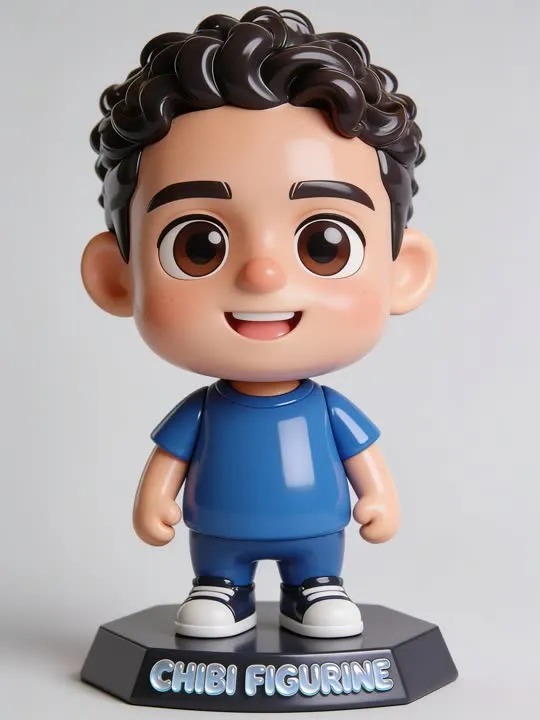 01Chibi Figurinestyled as a glossy chibi collectible on a display baseToy proportions are exaggerated from a real body, so the whole body has to be in the picture.Photo style
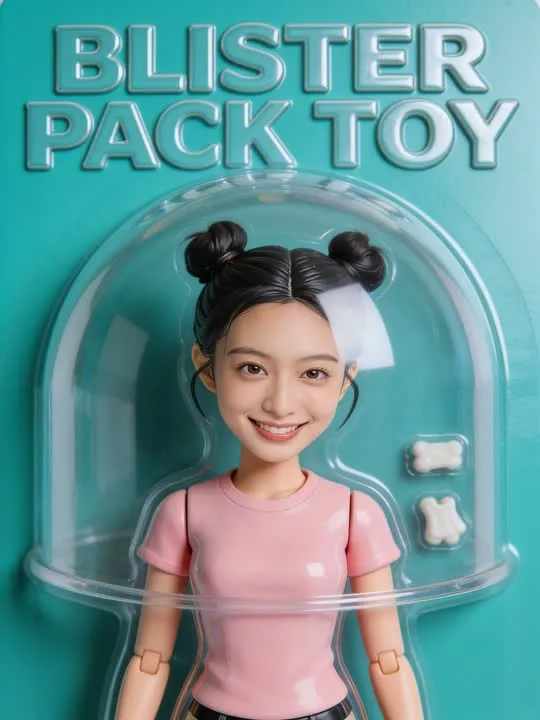 02Blister Pack Toysealed under a clear dome like a collector's toyPhoto style
 03Desk Dioramashrunk into a handcrafted miniature on a wooden deskPhoto style
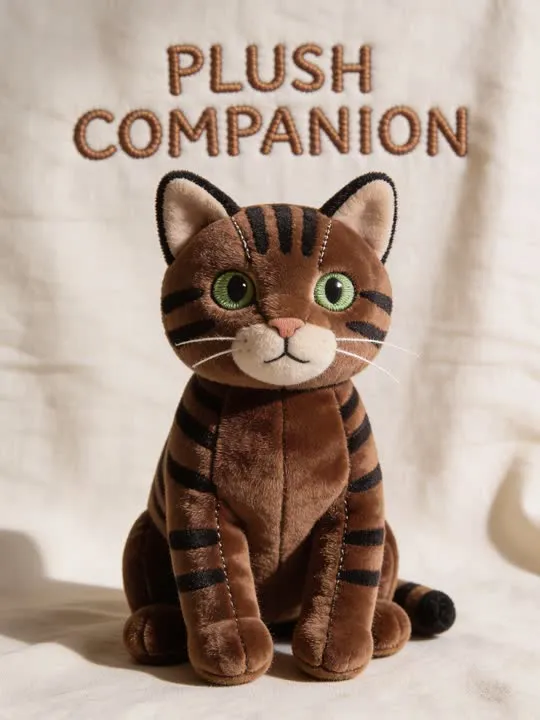 04Plush Companionreborn as a soft stitched plush toyPhoto style
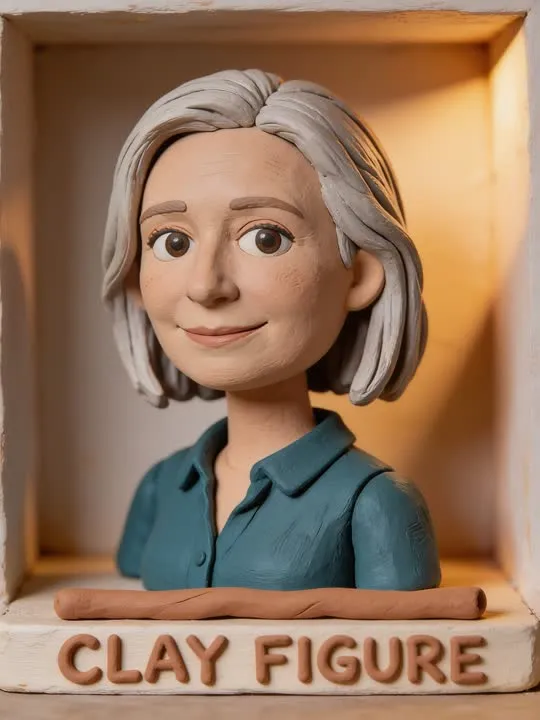 05Clay Figuresculpted as a hand moulded plasticine modelPhoto style
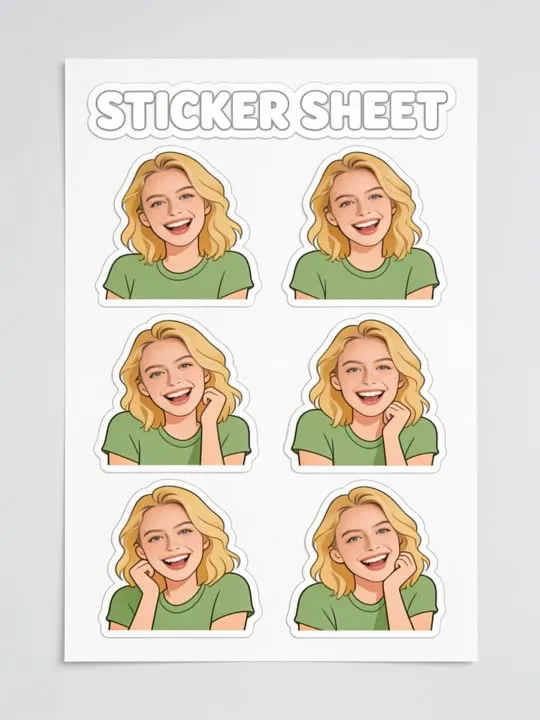 06Sticker Sheetcut into a sheet of glossy vinyl stickersPhoto style
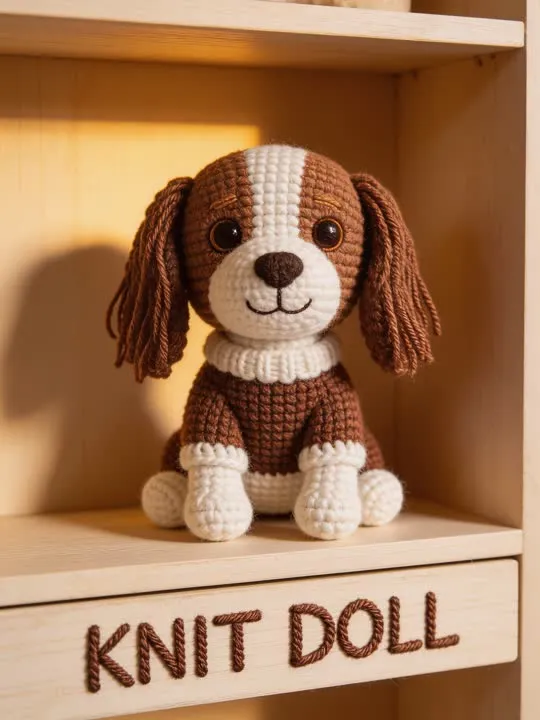 07Knit Dollcrocheted into a soft yarn dollPhoto style
 08Movie Night Mereborn as a glossy 3D animated movie characterPhoto style
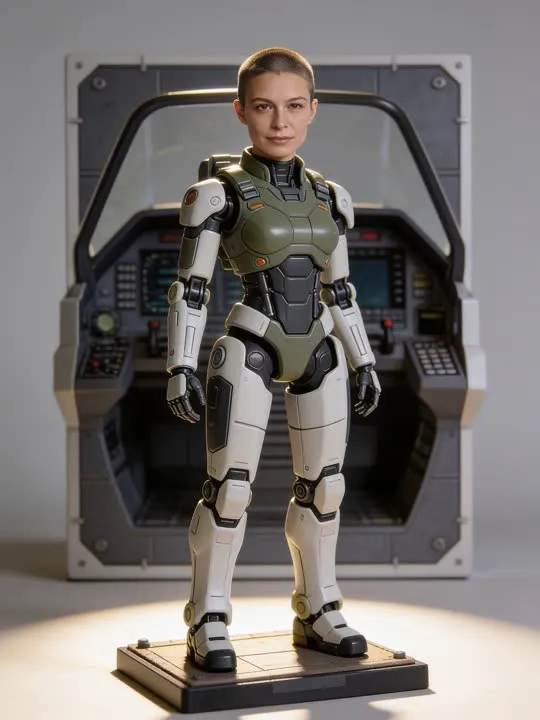 09Mecha Pilot FigureA poseable action figure in pilot armor on a diorama base.Photo style
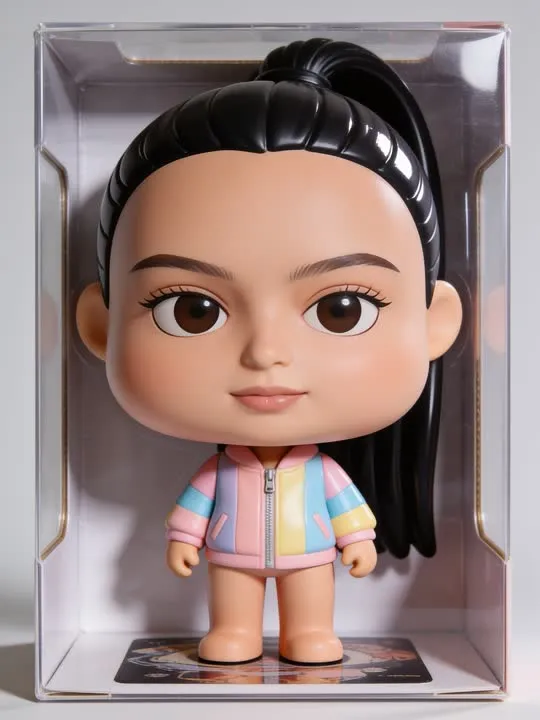 10Blind Box FigureA collectible vinyl figure in its own display window box.Photo style
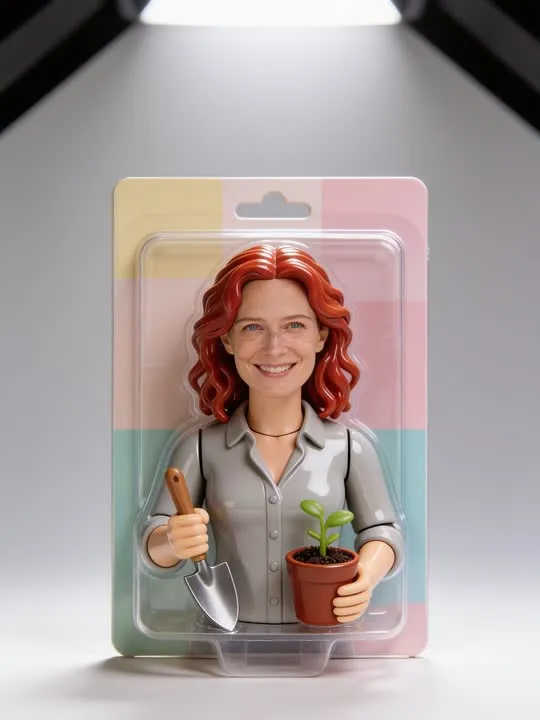 11Collector's Edition: GardenerBoxed up as your own collectible figurePhoto style
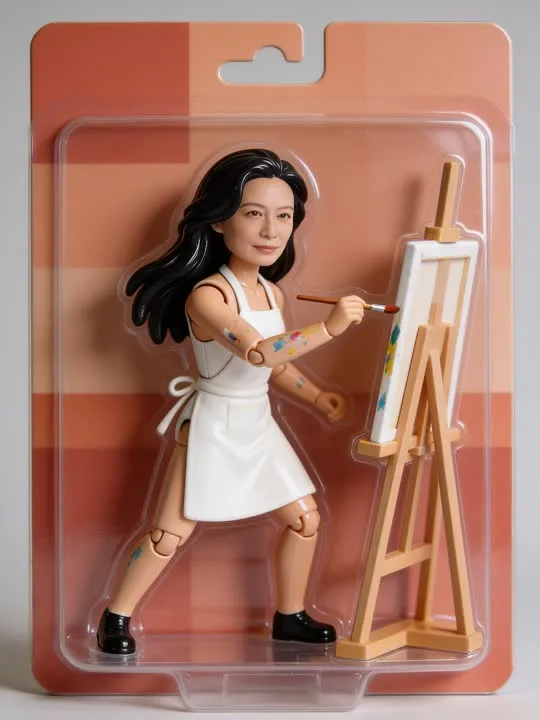 12Collector's Edition: PainterBoxed up as your own collectible figurePhoto style
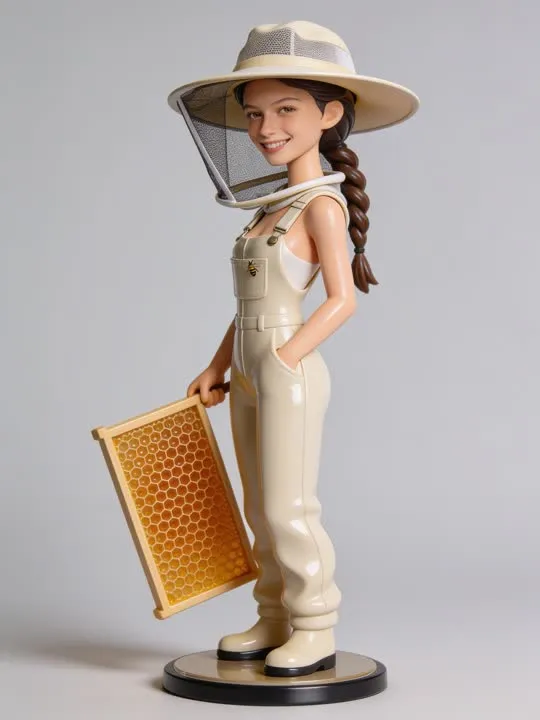 13Toybox Figure: BeekeeperA collectible figure, veil and honeycomb frame.Photo style
What is invented on this shelf
A whole object, including a back, a base, a packaging design and a surface material. The photograph contributes a pose, a colour palette and a handful of identifying details: hair, glasses, the jacket. Everything that makes it read as a toy is built from nothing, which is why these results look finished in a way the motion shelves rarely do.
One photograph goes in and a new still picture comes out, restyled rather than filtered: the model rebuilds the frame in the style instead of laying an effect over it. Run it twice if the first attempt gets a detail wrong, because the second version will not be identical.
The photograph this shelf wants
You are rebuilt as an object here, so all of you has to be in the picture: head to feet, standing, against a background that does not compete. A clean outline is what becomes a moulded shape, which is why a plain wall beats a crowded room. Distinctive clothing and colour survive the translation better than plain black, since they are what keeps the figure recognisably you.
The four things that decide any result are the same here as everywhere else in the library, and they are set out in what makes a photo work. The limits that apply to every action on this site are in what none of these can do.
Where Figurine & Toy World results vary most
Stylisation this heavy moves a face a long way from the person, and small identifying features are the first thing to go. Fine text on packaging is the second: type generated inside an image is frequently not real writing, and it will not survive being read closely. Simple, high contrast source photographs give a cleaner object than busy ones.
Where to go next
- How much of the body your photo actually needsHead and shoulders, waist up, or head to feet: the crop decision that matters more than almost anything else you choose. A short table by movement type, and the headroom mistake almost everyone makes once.
- The photo that will actually animate well (and the ones that will not)Most camera rolls have hundreds of good photographs and only a handful of good source material. A practical way to tell which is which before you spend a generation on the wrong one.
This is one shelf of many. The whole catalogue, grouped the way the app groups it, is in the action library.
Common questions
- What is the Figurine & Toy World shelf for?
- You, as a collectible. A glossy chibi figure on a display base, a toy sealed under a blister dome, a miniature on a desk, a plush, a plasticine model, a sheet of vinyl stickers, a crocheted doll. Every one of these returns a still picture, and every one of them is a manufacture rather than a portrait: the request is not how you look, it is what you would look like as a product.
- Do the Figurine & Toy World styles make a video?
- No. Every action on this shelf is a photo style, so it hands back a new still picture rather than a clip. The photograph is rebuilt in the style rather than having an effect laid over it. The motion actions elsewhere in the library are the ones that produce video.
- What kind of photo works best for Figurine & Toy World?
- You are rebuilt as an object here, so all of you has to be in the picture: head to feet, standing, against a background that does not compete. A clean outline is what becomes a moulded shape, which is why a plain wall beats a crowded room. Distinctive clothing and colour survive the translation better than plain black, since they are what keeps the figure recognisably you.
- Do I need a subscription for the Figurine & Toy World actions?
- Nothing on this shelf is marked as a subscription only action in the app's catalogue. Free to download on iPhone and iPad. Credits and subscriptions are bought inside the app.
The right style for the photograph beats the popular one
Every action on the Figurine & Toy World shelf is written up the same way, so you can check whether the picture in your camera roll actually suits it before you spend a credit on finding out.