Animating a Painted Portrait
A painted portrait is a genuinely different medium from a photograph, and an animation model treats brushwork literally. What the model actually does with paint texture, which actions suit a painting, and the ownership question worth asking first.
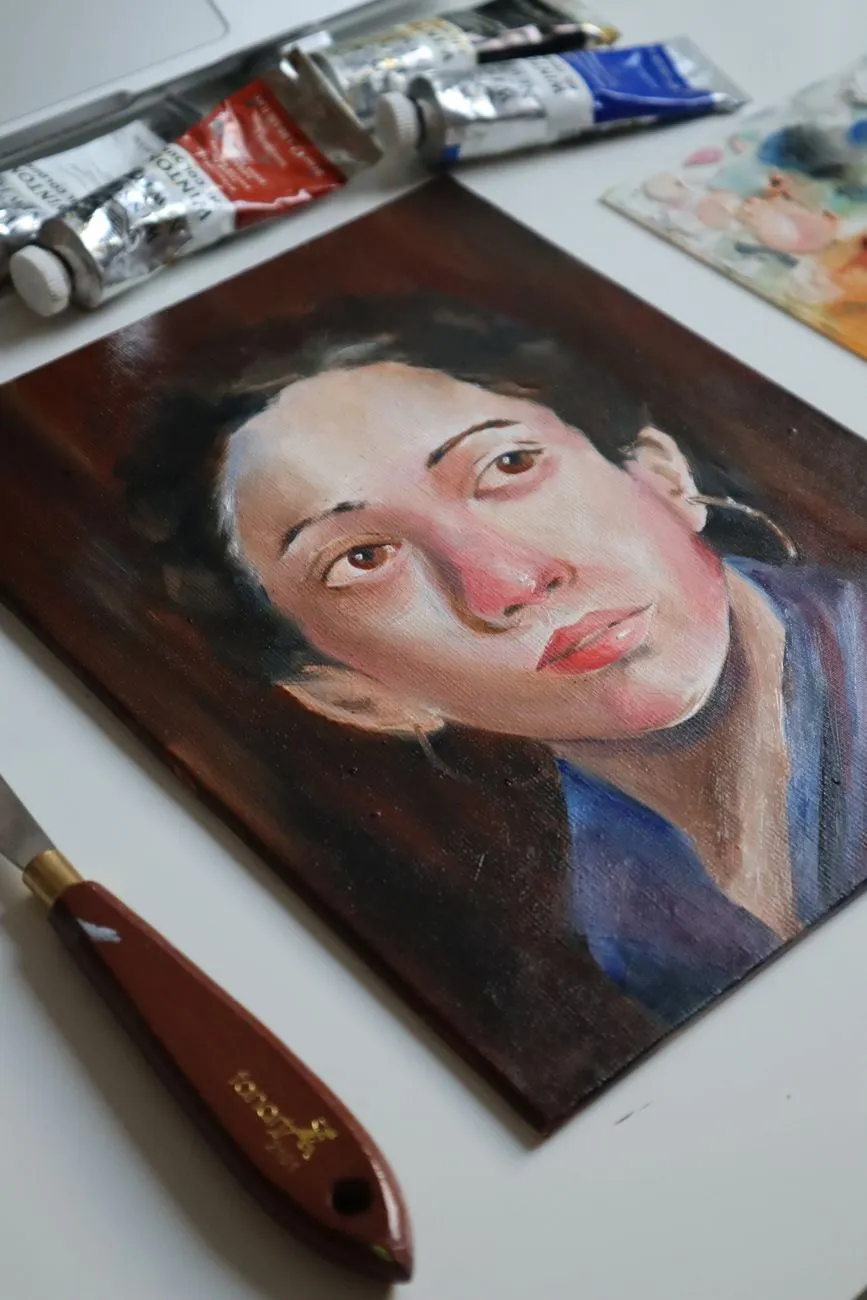
A painted portrait is not a photograph with brushstrokes on it. It is a different kind of picture entirely, made by a different process, and an animation model treats that difference literally rather than politely smoothing it over. That is worth knowing before you feed one in, because the result can genuinely go either of two ways, and which one you get is not always predictable in advance.
What the model actually does with paint
An animation model generates motion by inferring depth, structure and likely movement from a single still frame. A photograph gives it a face built from continuous tone, real light falling on real skin. A painting gives it a face built from pigment, applied in strokes, sometimes thick and textured, sometimes thin and smooth, filtered through whatever style the artist chose. The model still has to decide what that surface is before it can move it.
Sometimes it keeps the brushwork. The result is a painting that moves, texture and all, which is genuinely striking when it happens, since the visible strokes stay put on a face that is now turning or smiling. Other times the model quietly reinterprets the painted surface as if it were skin, softening the texture and pushing the result toward something that looks more like a photograph than the portrait you started from. Neither outcome is a malfunction. The model was trained mostly on photographs, so a painting is somewhat outside its usual diet, and it resolves that mismatch differently depending on the style, the lighting the artist painted, and how much texture the original brushwork actually has.
The only way to know which you got is to look at the first second of the clip closely. If the strokes are still visible once the face begins to move, you have the painting effect. If the surface has smoothed out into something skin-like, you have the photographic reinterpretation. Both can be worth keeping. They are just different results, and it is worth deciding which one you actually wanted before you share it somewhere the difference will matter.
Which actions actually suit a painting
Almost every craft rule that applies to a photograph applies harder to a painting, because a painted portrait usually has less real information behind it to begin with. A camera records far more detail than a brush deposits, even in a careful, realistic portrait, so the model has thinner material to invent from no matter what it decides to do with the paint itself.
That makes the small expression actions almost the only sensible choice. Waving and surprised ask for a modest, contained movement rather than a full-body performance, which means the model is not trying to invent limbs, posture or a background the painting may not have rendered clearly in the first place. Reading works for the same reason and suits a formal portrait’s quieter register better than an energetic one would. Save the dance and sports categories for photographs. A painted subject asking to breakdance is asking the model to invent far more than the brushwork ever gave it to work with, and the strain shows.
Portraits painted in three-quarter view or straight on tend to hold together better than profile paintings, for the same reason a profile photograph is a harder case: the model has less of the face to work from and more of it to guess. If you have a choice of which painted portrait to animate, the one looking more toward the viewer is the safer bet.
Whose portrait is it
Before any of the craft questions, there is a simpler one worth asking. A painting usually has two owners layered on top of each other: whoever owns the physical canvas or the photograph of it, and whoever holds copyright in the image itself, which is normally the artist or their estate rather than the person who happens to own the object. A portrait photographed off a museum wall or reproduced from a public domain archive is generally safe ground. A living artist’s original work is not yours to animate and post simply because you took a picture of it, or because it has hung in your family’s hallway for years. If you are not sure which case you have, that is worth settling before you post the clip anywhere public, not after.
Said plainly
A painted portrait is a real and interesting input for this kind of animation, not a lesser substitute for a photograph, and it can produce something genuinely unlike anything a photograph would give you. The model is still generating a plausible few seconds of motion from one still image either way, invented rather than recorded, so treat the clip as an illustration built from the painting rather than a record of anything that happened. Pick a portrait with a clear, forward-facing face, keep the action small, and look closely at what the model actually did with the paint before you decide whether you got a moving painting or a photograph in disguise.
If you are choosing between several source images and want the general method before you commit to one, the full checklist for choosing a photo that will animate well covers the same fundamentals that apply here. And if the object in question is a genuine old family photograph rather than a painting, animating a black and white photograph is the more likely page for what you are actually holding.
Common questions
- Can you animate a painting or a drawing, not just a photograph?
- Yes. An animation model works from a single still image and does not require it to be a photograph. A painted or drawn portrait is a valid input, but it is a different medium from a photograph, and the model treats the difference literally rather than smoothing it over.
- Will the animation keep the brushstrokes, or make the portrait look like a photo?
- It can go either way, and you will not know which until you try it. Sometimes the model preserves visible brushwork as texture on a moving face, which reads as a painting come to life. Other times it quietly reinterprets the painted surface as skin, and the result looks more like a photograph than the portrait it started from. Look closely at the first few frames to see which one you got.
- Which actions work best on a painted portrait?
- The small expression actions, such as waving, a surprised look, or reading, ask the model to invent very little beyond a small movement. A painting already has less real detail behind the paint than a photograph has behind the lens, so the actions that invent the least tend to hold together best.
- Is it legal to animate a painting of someone else's portrait?
- A painting usually has two separate owners to think about: whoever owns the physical object, and whoever holds copyright in the image, which is normally the artist or their estate rather than the sitter. A public domain work from a museum collection is generally safe to use. A living artist's original portrait is not yours to animate and post just because you own a photograph of it.